
Double-click to edit...
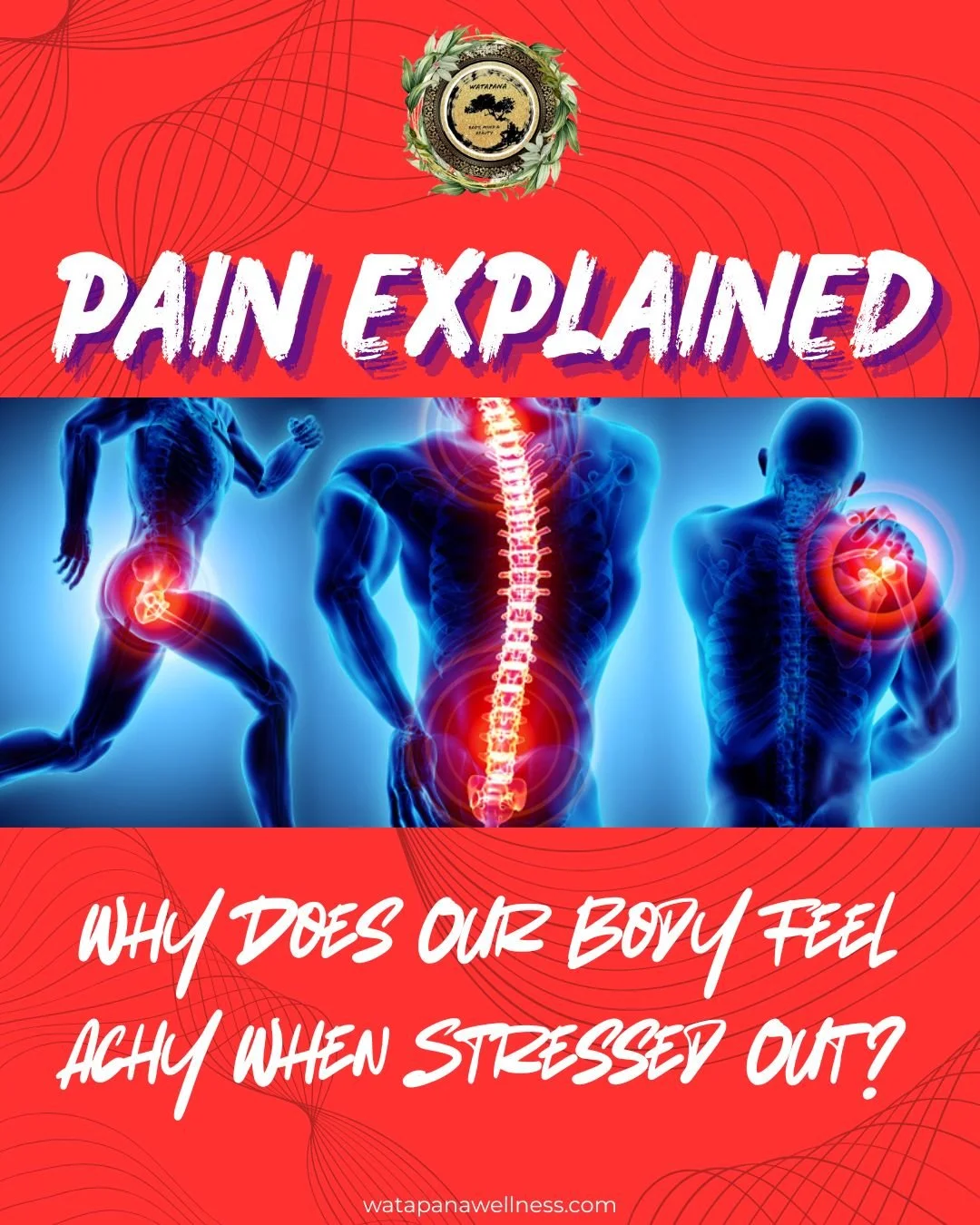
PAIN EXPLAINED - Why Our Body Feels Achy When Stressed Out.
Ever notice how your body seems to ache all over when you're stressed, even though you haven’t been to the gym or run a marathon?
It’s as if your muscles and nerves have joined forces for the ultimate mischief party, leaving you with sore shoulders and a cranky back.
Fear not!
In this intriguing exploration, we’ll unravel the mystery of why stress has your body feeling like it’s been on a rollercoaster ride without leaving your chair.
Get ready for a journey through the quirky connection between stress and body aches, and discover how you can call a truce in this internal tug-of-war!
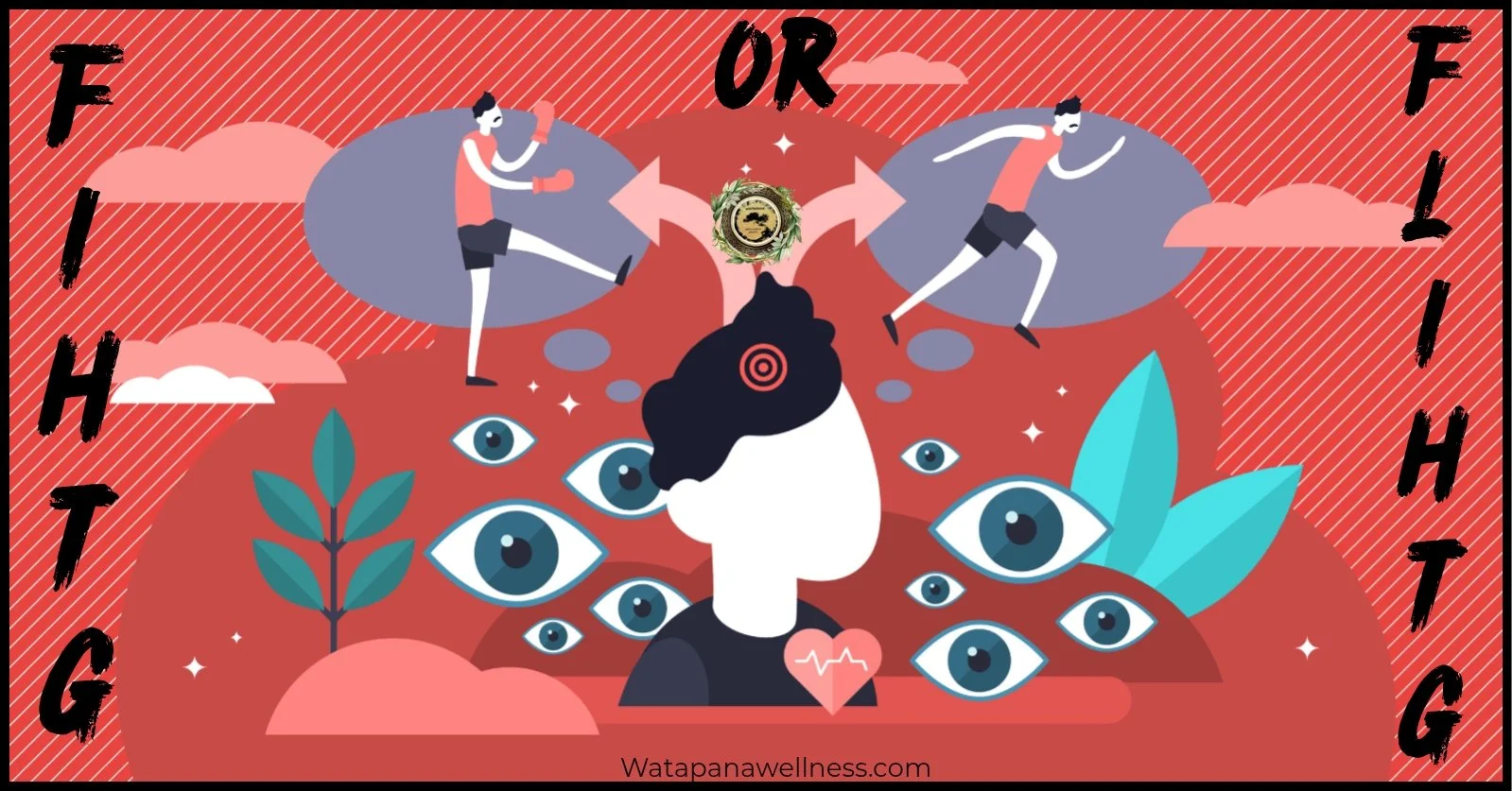
FIGHT OR FLIGHT
When you're stressed, your body goes into a "fight or flight" mode. This is a natural reaction, where your body releases stress hormones like adrenaline and cortisol. These hormones prepare your body to respond to a threat by making your muscles tense up.
If you're under stress for a long time, the constant tension can make your muscles tight and stiff. This tightness reduces flexibility, much like how a rubber band becomes less stretchy the more you pull it tight. Over time, these tense muscles can become sore and painful because they're always working and never really getting a chance to relax.
Additionally, stress can also restrict blood flow to the muscles, reducing the oxygen and nutrients they receive. This can lead to muscle fatigue and more pain.
To counteract this, activities like stretching, exercising, and relaxation techniques like deep breathing can help your muscles relax and ease the pain.
LET ME ELABORATE:
Cortisol, the body's primary stress hormone, can adversely affect tissues by causing them to stiffen, shorten, and harden, leading to excessive tension and pain.
When stress isn't managed over time, cortisol levels build up, potentially leading to crystallization within tissues and the vascular system.
This crystallization might feel like hot needles and cause painful sensations, especially during treatments like muscle manipulation, which aim to break down these crystalline structures.
LONG TERM EFFECTS
Chronic stress can have several long-term effects on your muscles, including:
1. Persistent Tension: Prolonged stress keeps your muscles in a state of tension, leading to chronic muscle tightness and discomfort.
2. Muscle Pain: Constant tension can cause extreme muscle aches and pains, often felt in areas like the neck, shoulders, buttocks, hips and back.
3. Reduced Flexibility: Over time, prolonged tension can decrease muscle flexibility, making movement more challenging and increasing the risk of injury.
4. Fatigue: Your muscles might tire more easily because they're always working, even when you're trying to rest.
5. Increased Risk of Injury: Tight, tense muscles are more prone to strains and sprains.
6. Impact on Posture: Chronic muscle tension can lead to poor posture, which might contribute to further discomfort and musculoskeletal issues.
7. Delayed Recovery: Stress can slow down the muscle recovery process after physical activity, prolonging soreness and fatigue.
Managing stress through regular exercise, relaxation techniques, and healthy lifestyle choices can help minimize these long-term effects.
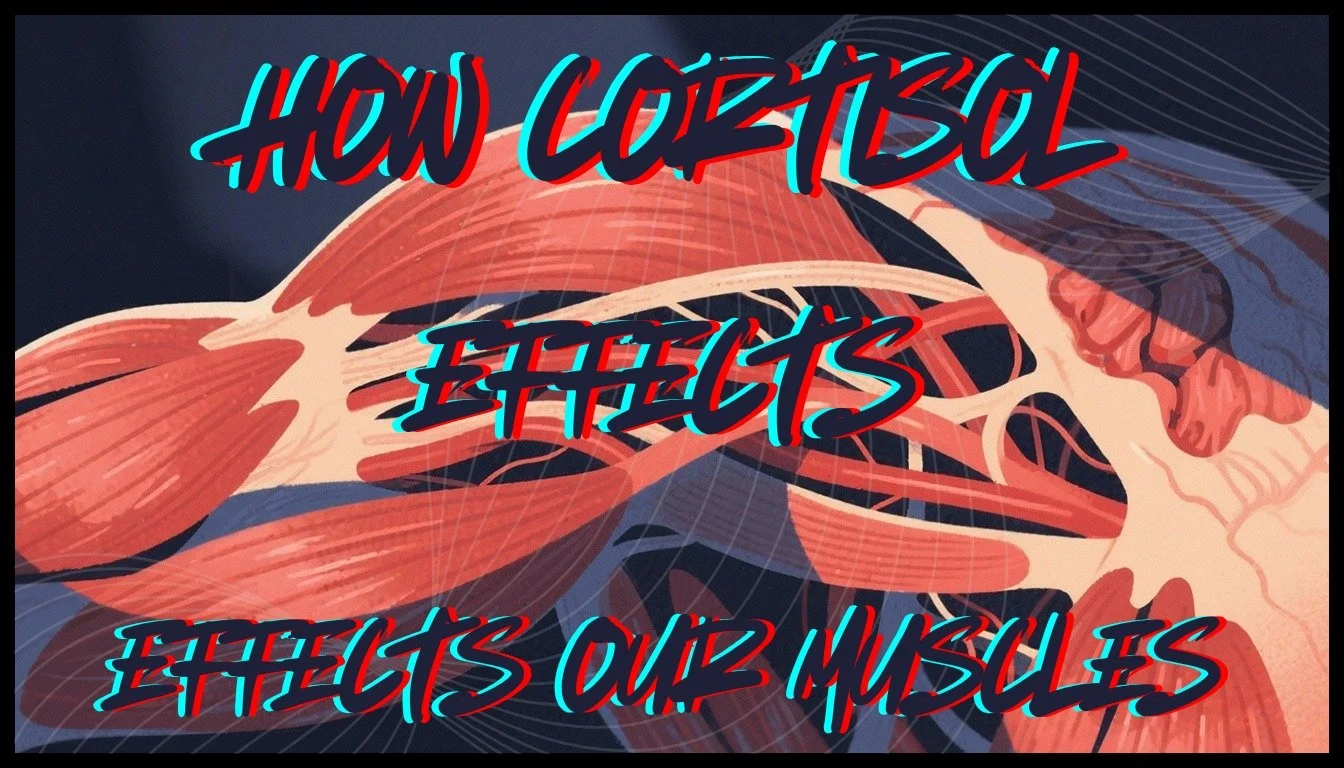
HOW CORTISOL EFFECTS OUR MUSCLES
Stress hormones, in particular CORTISOL, can have several effects on muscle recovery, making it more challenging for your body to bounce back:
1. Slower Healing: Stress increases the production of cortisol, a hormone that can interfere with protein synthesis, which is essential for muscle repair. As a result, muscle recovery can take longer.
2. Increased Inflammation: High stress levels can lead to increased inflammation in the body. This can exacerbate muscle soreness and delay the healing process. Inflammation in turn opens doors to all kinds of ailments, disorders and diseases.
3. Impaired Sleep: Stress can affect your sleep quality, and since sleep is a critical time for muscle repair and growth, poor sleep can hinder recovery efforts.
4. Reduced Blood Flow: Stress might constrict blood vessels, decreasing the flow of oxygen and nutrients to muscles, which are vital for recovery.
5. Mood and Motivation: Stress can impact your mental state, making it harder to stay motivated or consistent with post-exercise recovery routines, like stretching or foam rolling.
Incorporating stress management strategies, such as relaxation techniques, proper sleep, and a balanced diet, can help improve how your muscles recover after exercising.
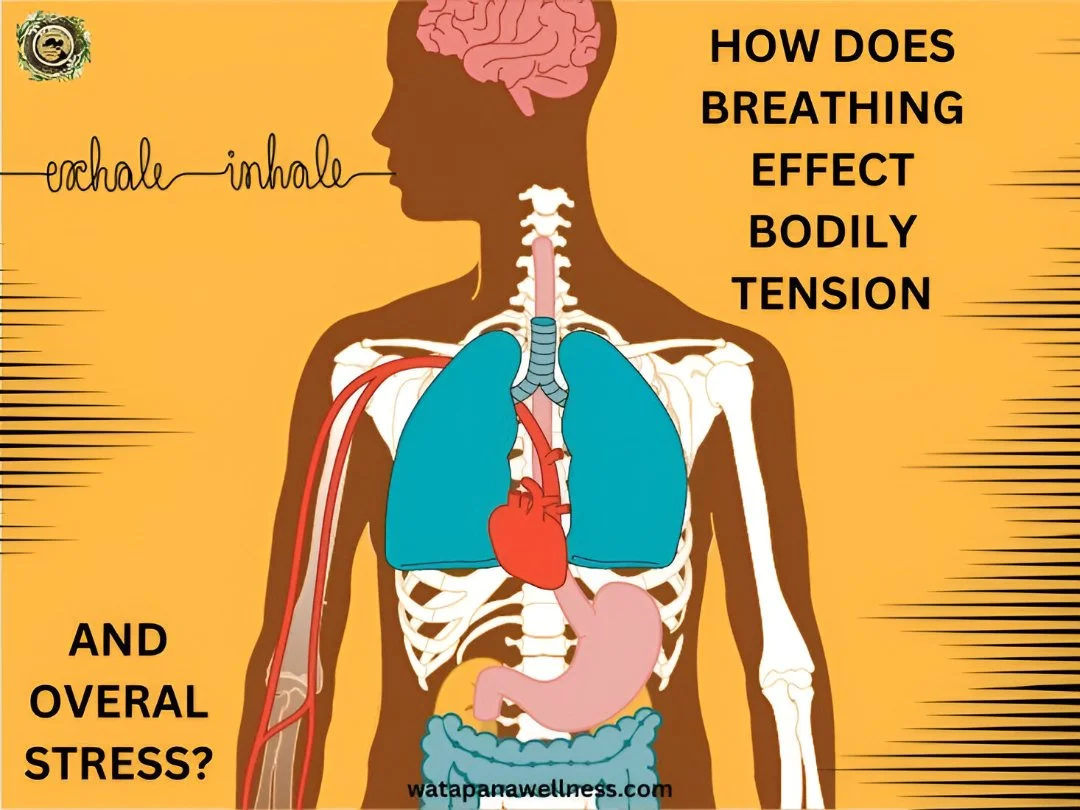
HOW DOES BREATHING EFFECT BODILY TENSION AND OVERAL STRESS?
Breathing has a significant impact on both bodily tension and overall stress levels. Here's how:
1. Activates the Relaxation Response: Deep, slow breathing activates the parasympathetic nervous system, which counters the stress response and promotes relaxation. This reduces overall tension in the body.
2. Reduces Muscle Tension: Proper breathing helps oxygenate your muscles, which can reduce tension and promote relaxation.
3. Lowers Heart Rate and Blood Pressure: Slow, deep breathing can help lower heart rate and blood pressure, which are often elevated when you're stressed.
4. Enhances Focus: Controlled breathing exercises can improve focus and mindfulness, helping you manage stress more effectively.
5. Regulates Stress Hormones: Deep breathing can help balance levels of stress hormones like cortisol, making you feel calmer.
6. Improves Emotional State: Good breathing techniques can alleviate anxiety and promote a sense of wellbeing, reducing feelings of stress.
Practicing deep breathing exercises, like diaphragmatic breathing or the 4-7-8 technique, can be a simple yet effective way to manage stress and reduce tension. Would you like to know more about any specific breathing techniques? Dont hesitate to send us your inquiry.
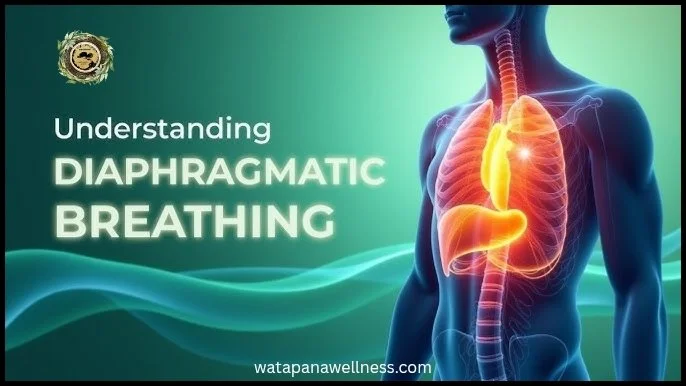
WHAT ARE THE BENEFITS OF DIAPHRAGMATIC BREATHING?
Diaphragmatic breathing, also known as deep breathing or belly breathing, offers several benefits:
1. Reduces Stress: By engaging the diaphragm, this breathing technique activates the parasympathetic nervous system, promoting relaxation and reducing stress levels.
2. Improves Oxygenation: This method facilitates better oxygen exchange, delivering more oxygen to your body and brain, which can enhance overall energy and alertness.
3. Lowers Heart Rate and Blood Pressure: Deep, slow breaths can help lower your heart rate and blood pressure, promoting a calm state.
4. Enhances Relaxation: It helps to release muscle tension, providing a relaxing effect on the entire body.
5. Improves Lung Function: Over time, practicing diaphragmatic breathing can improve lung capacity and respiratory efficiency.
6. Supports Mental Clarity: Enhanced oxygenation and reduced tension can lead to improved focus and mental clarity.
7. Aids Digestion: Stimulating the diaphragm can also support digestive health by gently massaging the internal organs and improving circulation.
Practicing diaphragmatic breathing regularly can help you incorporate these benefits into everyday life.
●If you're interested in learning how to do diaphragmatic breathing, feel free to ask!
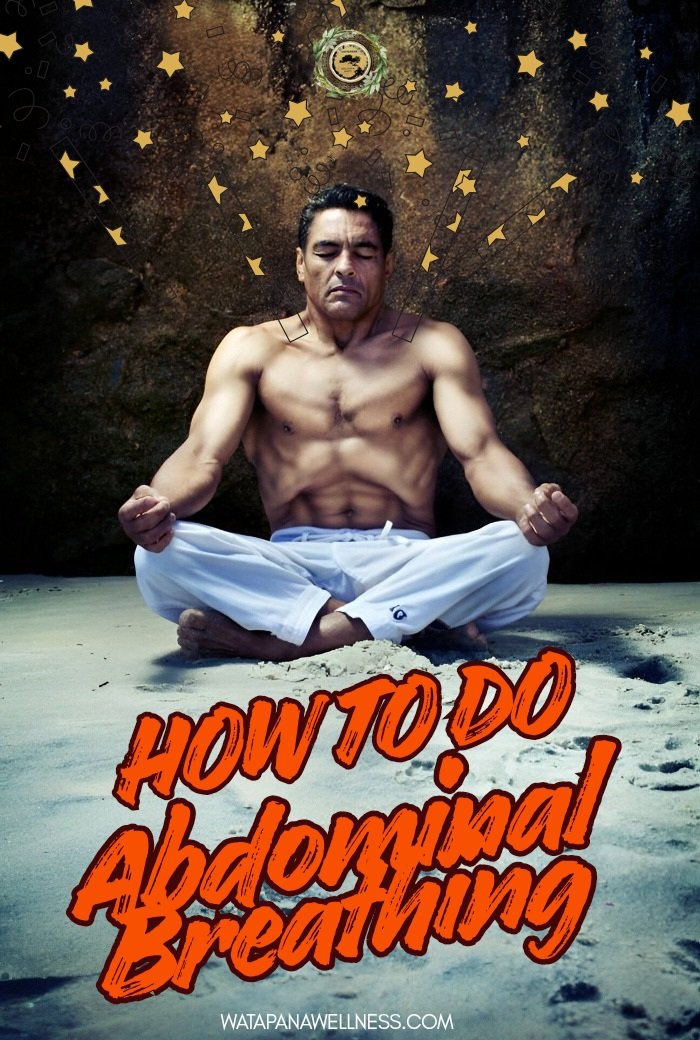
SO HOW DO WE DO IT?
Here’s a simple step-by-step guide to practicing diaphragmatic breathing:
1. Find a Comfortable Position: Sit or lie down in a comfortable position. You can lie on your back with your knees bent and feet flat on the ground, or sit upright in a chair with your feet planted on the floor.
2. Place Your Hands: Put one hand on your chest and the other on your abdomen, just below your rib cage. This helps you feel the diaphragm movement and ensure you’re breathing deeply.
3. Inhale Slowly Through Your Nose: Take a deep breath in slowly through your nose, allowing your abdomen to rise as it fills with air. Really belly out on this one! Your chest should remain relatively still.
4. Focus on Your Breath: Aim to spend about 2-4 seconds inhaling. Feel your diaphragm move downward as your abdomen expands.
5. Exhale Gently: Exhale slowly through your mouth, for about 4-6 seconds. Let your abdomen fall as you release the air. Try to keep your exhale longer than your inhale.
6. Repeat the Process: Continue this cycle for at least 5-10 minutes. Focus on the rise and fall of your abdomen, keeping your breathing slow and even.
7. Practice Regularly: Try to practice this technique daily or whenever you feel stressed or anxious. Practice makes perfect!
To gain the most benefits from diaphragmatic breathing, you can practice it regularly. Here’s a simple guideline:
1. Daily Practice: Aim for at least a few minutes each day. Consistency is key, so try incorporating it into your daily routine, like in the morning, during a break at work, or before bedtime.
2. Multiple Times a Day: Practicing several short sessions throughout the day can be more beneficial. For instance, three to five minutes per session, spread across different times, can help reinforce the habit and reap the relaxation benefits.
3. As Needed: You can also use diaphragmatic breathing as a tool whenever you feel stressed or anxious. It can be a quick way to calm yourself in the moment.
Start gradually and see what frequency works best for you.
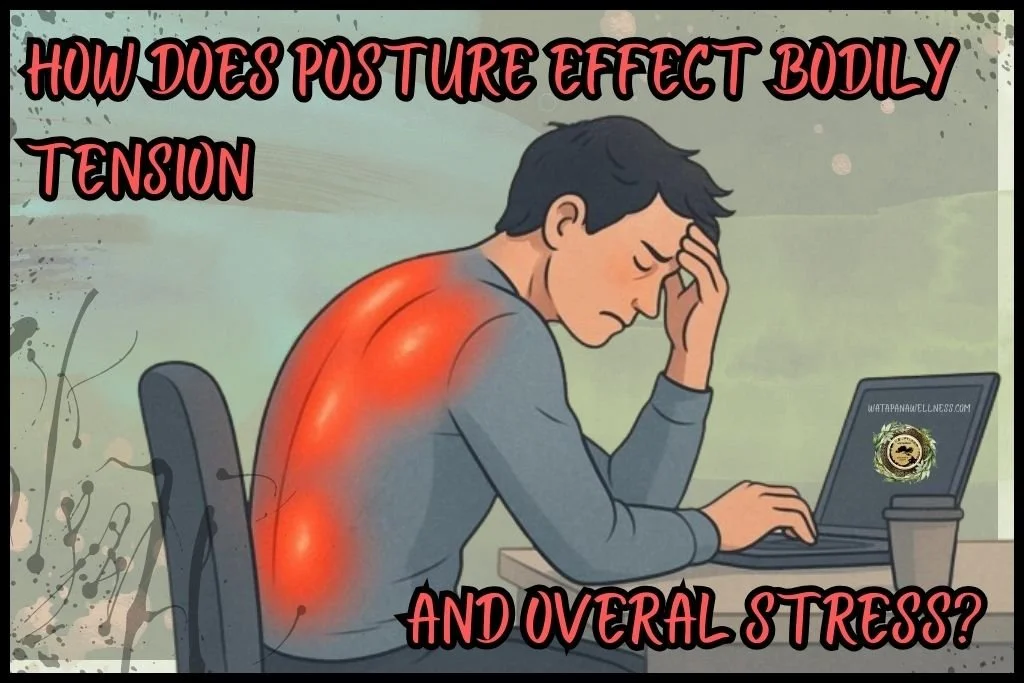
HOW DOES POSTURE EFFECT BODILY TENSION AND OVERAL STRESS?
Posture also plays a significant role in bodily tension and overall stress. Here's how:
1. Muscle Strain: Poor posture can lead to muscle strain, particularly in the neck, shoulders, and back. Over time, this strain can cause tension and discomfort, contributing to stress.
2. Circulation and Breathing: Good posture allows for proper circulation and efficient breathing. Slouching or other poor postures can restrict your lungs’ ability to expand fully, which may reduce oxygen intake and increase stress.
3. Nerve Compression: Incorrect posture can compress nerves, leading to pain or discomfort, which adds to physical and mental stress.
4. Impact on Mood: Poor posture can negatively affect your mood and energy levels, sometimes leading to an increased perception of stress.
5. Mind-Body Connection: Standing or sitting straight can create a positive feedback loop, where your brain associates good posture with confidence and calmness, reducing overall stress.
Improving posture can help alleviate these issues. Regular stretching, strengthening exercises, and being mindful of your posture throughout the day can contribute to reduced tension and stress.
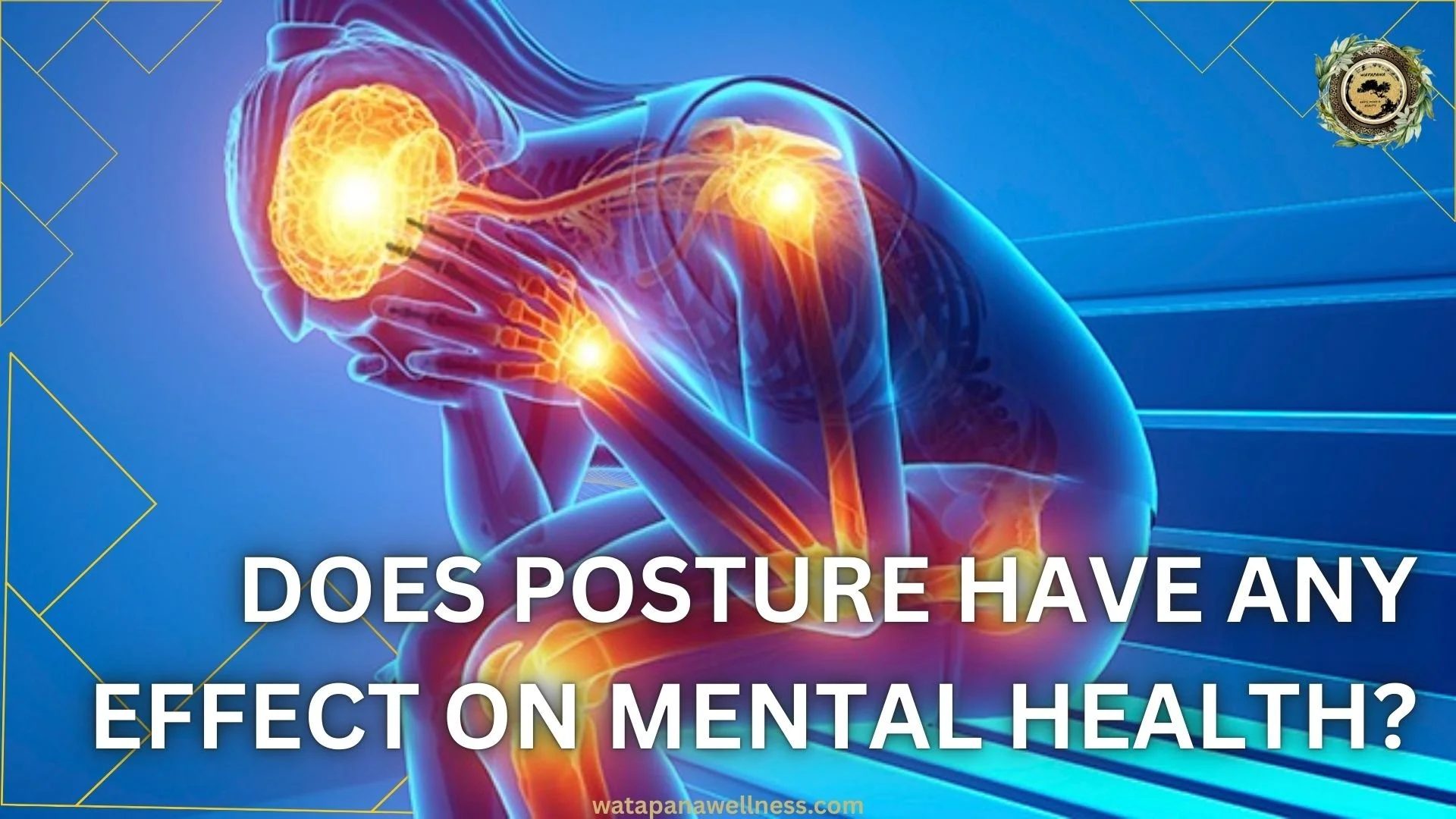
DOES POSTURE HAVE ANY EFFECT ON MENTAL HEALTH?
Posture can have a significant impact on mental health in several ways:
1. Mood Improvement: Good posture, like sitting or standing up straight, can boost your mood and energy levels. It encourages a state of alertness and confidence, which can positively influence your mental well-being.
2. Reduced Stress and Anxiety: Poor posture, such as slouching or hunching, can increase feelings of stress and anxiety. This is partly due to the physical discomfort it can cause, as well as how your body language might communicate stress to your brain.
3. Enhanced Self-esteem: Adopting good posture often enhances self-esteem and confidence. Standing tall can make you feel more assertive and in control, which can improve your mental state.
4. Better Focus and Attention: Good posture supports better circulation and oxygen flow to the brain, enhancing cognitive functions like focus and concentration.
5. Mind-Body Connection: Your physical stance can influence your emotional state. Maintaining a positive posture can foster a more positive mental outlook, creating a healthier mind-body connection.
If you focus on maintaining good posture throughout the day, you might notice improvements in your mental health over time. If you're interested in ways to improve your posture, I'd be happy to share some tips!
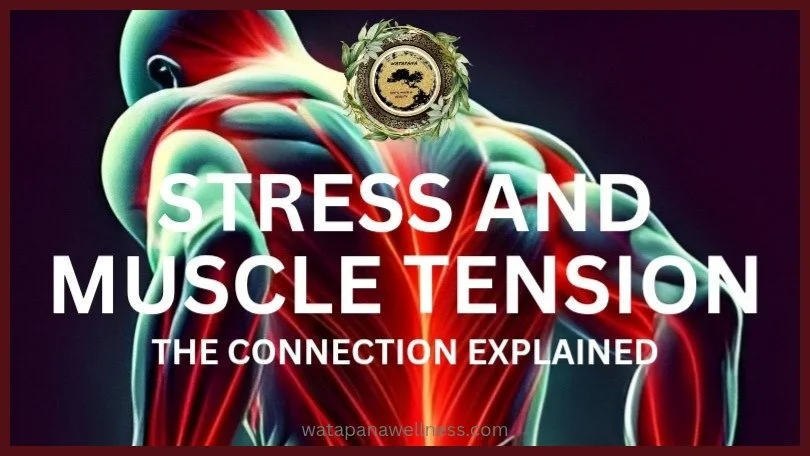
STRESS AND MUSCLE TENSION - THE CONNECTION EXPLAINED
The connection between stress and muscle tension is closely related to the body's natural "fight or flight" response. Here’s how they are connected:
1. Stress Response: When you perceive a threat or become stressed, your body reacts by triggering the release of stress hormones like adrenaline and cortisol. This is an automatic response designed to prepare you to face or escape a threat.
2. Muscle Tightening: As part of this response, your muscles tense up. This is your body’s way of preparing for action. However, when stress is chronic, this tension can persist beyond the immediate stressor.
3. Physical Discomfort: Prolonged muscle tension can lead to discomfort and pain, especially in the neck, shoulders, and back, which are common areas for stress-related tension.
4. Circulation Impact: Consistent muscle tension can restrict blood flow, limiting oxygen and nutrients to muscles, which adds to discomfort and can prolong recovery from activities.
5. Feedback Loop: This physical discomfort can increase stress levels, creating a cycle where stress leads to tension, which in turn contributes to more stress.
Managing stress through techniques like deep breathing, exercise, and relaxation can help break this cycle and reduce muscle tension.
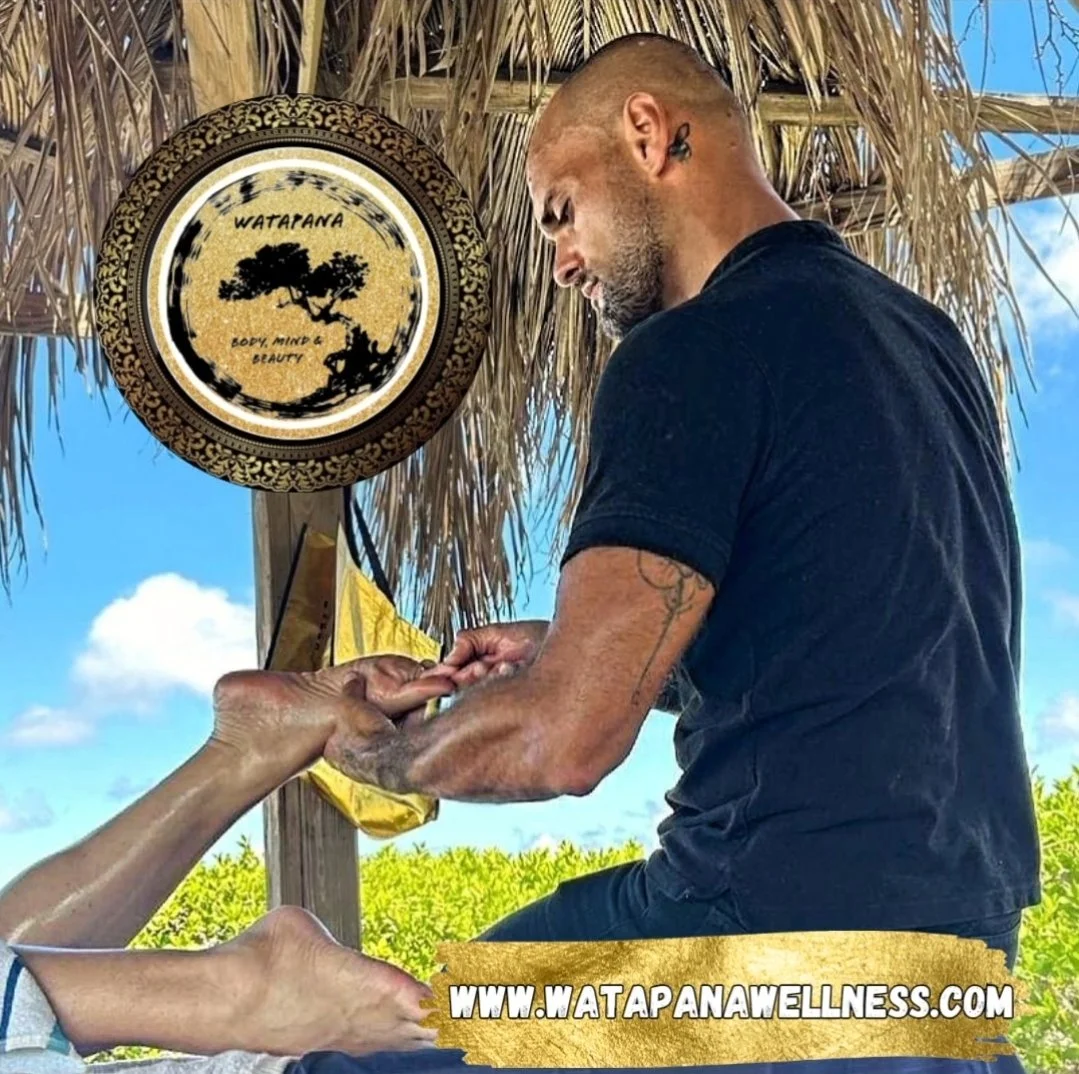
HOW WATAPANA WELLNESS CAN HELP ELIMINATE STRESS AND TENSION.
Enhance your well-being at Watapana Wellness Aruba.
Enjoy our unique rejuvenating/ invigorating massages, as well as a variety of beauty treatments, personal training and responsible nutritional guidance.
Experience holistic retreats and workshops AS WELL AS BESPOKE LIFESTYLE CHANGE PROGRAMS tailored to restore balance and promote a healthy lifestyle AND COMBAT DISEASE.
Discover firsthand how our THERAPIES not only treat pain, but also prevent further complications and lead the client/ patient to sustainable improvements.
Watapana Wellness provides a variety of services aimed at improving overall well-being. Here’s how we aim on reducing stress and tension while enhancing physical, mental, and spiritual health:
1. Holistic Treatments: Watapana Wellness offer holistic approaches, such as physical treatments, guided meditation, and mindfulness, which can help reduce stress, improve flexibility, and promote relaxation.
2. Massage Therapy: Massages has been proven to alleviate muscle tension and promote relaxation, enhancing physical and mental well-being.
Here at Watapana Wellness we pride ourselves in
3. Nutritional Guidance: Proper diet plays a key role in mental and physical health. Our Nutritional counseling can help you make healthier food choices, boosting energy and mental clarity. Not to mention, shred unnecessary weight!
4. Exercise Programs: Regular physical activity is proven to reduce stress and improve mood. Our Tailored exercise programs can improve physical fitness and mental resilience.
5. Mindfulness Techniques: Watapana Wellness incorporates meditation and breathing exercises which have been proven to significantly reduce stress and anxiety, contributing positively to mental health.
6. Bespoke Workshops and Classes: Workshops on stress management and personal development can help you develop skills for coping with stress and improve your overall mental and spiritual well-being.
7. Spiritual Practices: Watapana Wellness offer spiritual/ reflective activities, techniques and tricks that help individuals find deeper meaning and tranquility.
Reconnect your mind, body, and spirit today.