

Ill cut to the chase with this one: I refuse to go into swimming pools as i conceive them to be utter sas-pools of disgust. Time and time again people have invited me to come "enjoy" their pool. (Note: i live in Aruba with some of THE most breathtaking beaches on the globe....)
No, I wont. NO MATTER HOW MANY TIMES ONE ASKS OR REPHRASES: I wont. I WILL NOT GO INTO SWIMMING POOLS.
(Unless paid a handsome sum for a modeling gig... - Dont hate the player, hate the game.)
Now… let's look at the science & facts.
That chlorine smell everyone thinks means "clean' is actually chlorine reacting with pee, sweat, and body oils-pure chlorine has no smell.
A microbiologist said the stronger the pool smells, the dirtier it is. You're not smelling cleanliness.
What you're smelling is human waste mixed with chemicals trying to preak it down. Every breath near the pool is contaminated air.

Elemental chlorine itself is a toxic and irritating gas, but in the low concentrations maintained in swimming pools, it acts primarily as an irritant rather than a classic neurotoxin. However, as chlorine mixes with organic materials like sweat and urine, it creates disinfection byproducts that can be
Chlorine fumes in swimming pools tend to accumulate and float on the surface of the water, typically forming a thin layer approximately 20 to 30 centimeters deep. This is precisely the level where our heads emerge when we swim, exposing us directly to these chemical vapors.
When chlorine interacts with organic materials such as sweat, skin cells, and other contaminants, it can produce chlorinated compounds, some of which are known to be neurotoxic. Inhaling these fumes while swimming or breathing near the surface can pose health risks, as the inhaled chlorine vapors and their derivatives can affect the nervous system, leading to potential neurological symptoms and long-term health concerns.
Understanding the distinction between direct exposure and byproducts helps clarify the health impacts:
Elemental Chlorine: In its natural state, it is a respiratory irritant and a highly toxic gas. In a swimming pool, it is dissolved into water to form hypochlorous acid to kill bacteria. At recommended pool levels (1.0 - 3.0 parts per million), it is generally safe for the body, though it can cause temporary eye or skin dryness.
Disinfection Byproducts (DBPs): When pool chlorine reacts with sweat, body oils, and lotions, it creates byproducts such as trihalomethanes (THMs) and chloramines.
Some of these volatile organic compounds have been studied for their potential toxic and carcinogenic effects on the body.
Respiratory and Neurological Effects: Inhaling high levels of airborne chloramines—especially in poorly ventilated indoor pools—can cause respiratory distress and asthma. While extreme, prolonged exposure to certain disinfection byproducts has been investigated for potential nervous system impacts, the most immediate risks are eye irritation, skin dryness, and respiratory issues.

A single swimmer releases between 30-80 ml of urine in the pool whether they admit it or not-multiply that by hundreds of people daily.
An infectious disease specialist said Olympic-sized pools contain an estimated 75 liters of urine on average. You're noi swimming in water. You're swimming in diluted humar waste that chlorine is barely keeping under control.

Fecal matter enters pools constantly througr unwashed bodies. children's accidents, and contaminated swimsuits--chlorine kills most bacteria but not instantly.
A public health expert said it takes chlorine 30-60 minutes to kill certain parasites like cryptosporidium. During that time, you're swimminc through active contamination. One person with diarrhea can contaminate an entire pool for hours
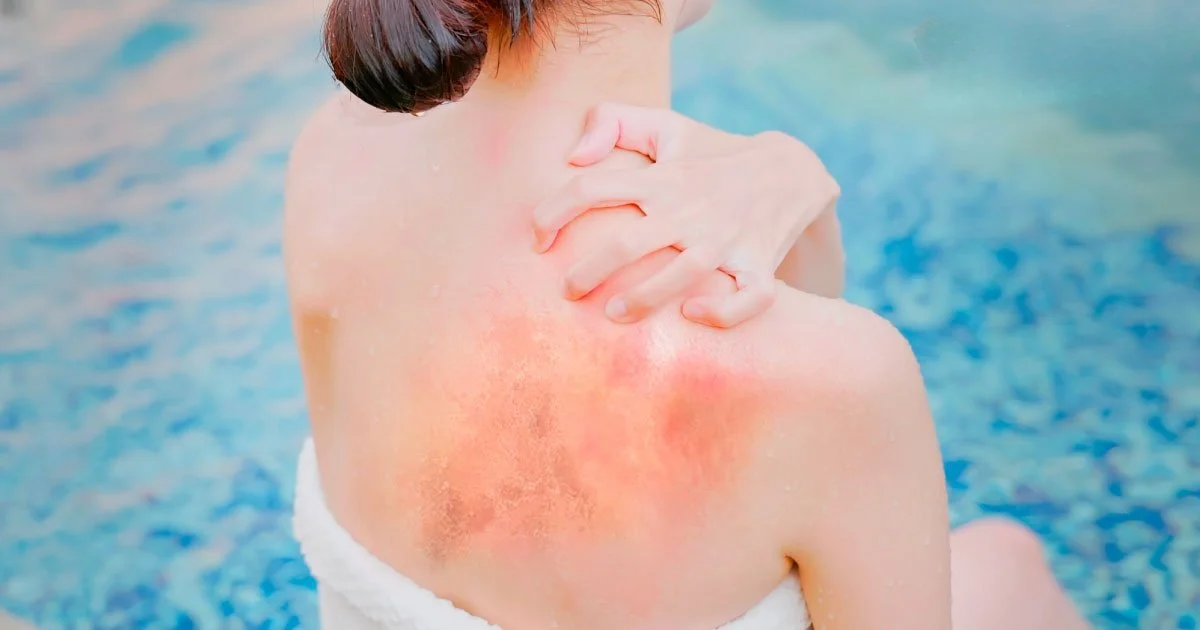
4. Pools are breeding grounds for skin infections, ear infections, and respiratory problems because chemicals can't eliminate everything people bring in. A dermatologist said athlete's foot, ringworm, and staph infections spread easily in pool environments.
The warm, wet surfaces combined with shared water create perfect conditions for microbes. Your skin absorbs this contaminated water for hours. And mind you, your skin is your biggest organ.

Hotel and public pools are the worst-they're used by hundreds of strangers daily with minimal actual cleaning between sessions. An inspector said most pools simply just add more chlorine without draining and scrubbing. The water gets reused for weeks. You're bathing in the accumulated residue of everyonewho came before you.

That pool isn't refreshing.
It's a chemical soup of everything humans secrete, and you're marinating in it. Instead, dip into lakes, rivers and the seas. These waters are alive. These are the waters which ground you and bring great health benefits.