
Music's role in human well-being is as profound as it is complex, with the frequencies in different genres influencing our physical health, including inflammation.
Just as nutrition, environment, and habits contribute to our overall wellness, the sounds we choose to surround ourselves with can either harmonize or disrupt our biological rhythms, Beneficial frequencies, often found in classical or nature-inspired music, can reduce stress and inflammation by promoting relaxation and positively affecting our autonomic nervous system. Conversely. harsh or discordant music might elevate stress, potentially triggering inflammatory responses. By carefully selecting music that supports our mental and emotional balance, we align this auditory pillar with nutrition and environmental wellness, creating a holistic approach to health that nurtures our body and mind.
The neurological effects of music involve complex interactions within the brain, engaging areas essential for emotional regulation, memory retention, and sensory processing. When we listen to pleasurable music, it can induce the release of dopamine, a neurotransmitter linked to the reward pathways of the brain. This biochemical response is similar to what occurs during enjoyable activities, such as savoring tasty food.
Research using functional magnetic resonance imaging (fMRI) reveals that music activates several key brain regions, including the amygdala, hippocampus, and auditory cortex. These areas are integral to processing emotions, forming memories, and perceiving sound For an in-depth exploration of fMRI applications in understanding music's emotional impact, the National Library of Medicine offers valuable resources in their study titled "Investigating emotion with music: An fMRI study."
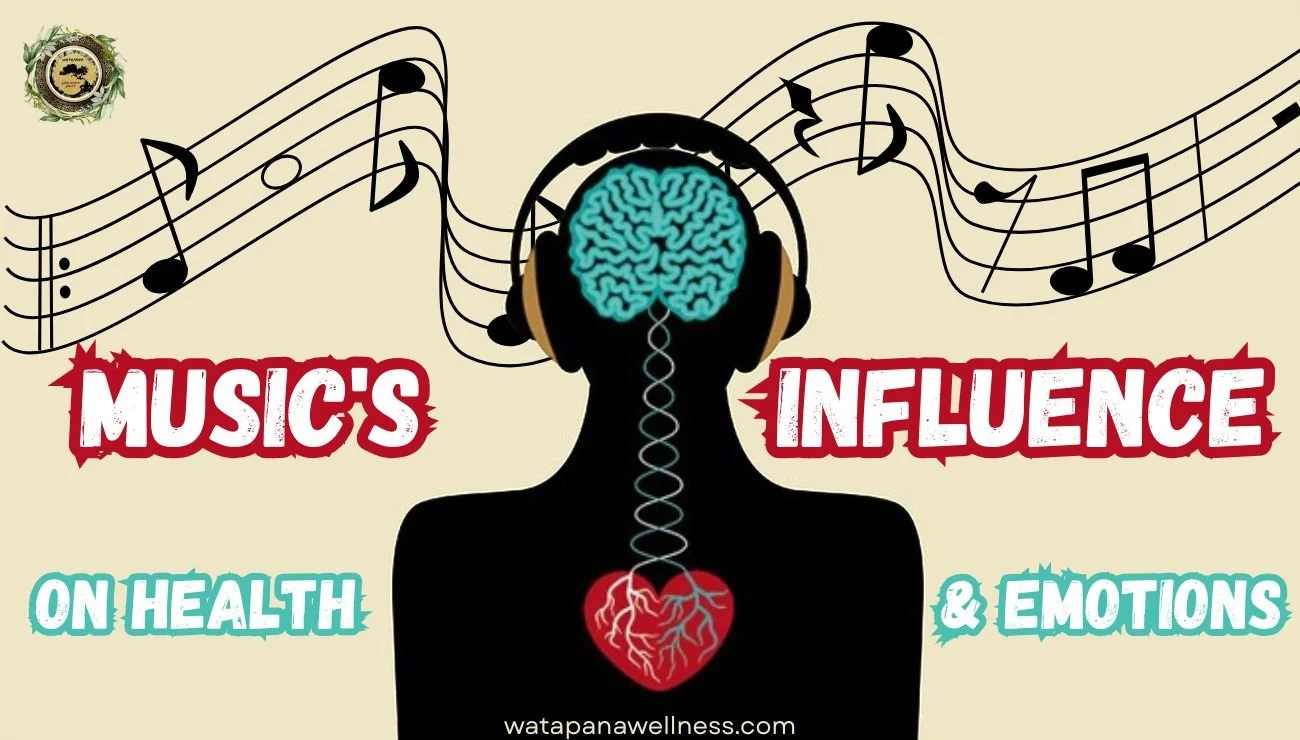
Music's influence on health and emotions varies across genres, and its effects can be quite subjective. Here's a general overview of some studies related to rock, rap, and classical music:
Why Rock and Rap Music are the worst choice in regards to our well-being.
Perception of Negative Effects: Research and opinions suggest that certain themes in rock and rap music, such as aggression and violence, can have negative impacts on mood and behavior. However, these effects largely depend on personal interpretation and context.
Contradictory Evidence: Many people find rock and rap to be energizing and use them for motivation or emotional expression. The impact can vary widely among individuals.
While genres like rock or rap can be perceived as cathartic by some, they have been observed to activate the nervous system, potentially leading to heightened physiological arousal. This stimulation may maintain the individual in a state of heightened anxiety, anger and stress as the music's rhythmic intensity and lyrical content can increase heart rate and adrenaline production, which are indicative of an engaged sympathetic nervous system. These “elevated states in our emotional state” potentially impacts our ability to function effectively in daily life. It can lead to difficulties in concentrating, disrupted sleep patterns, and may even affect physical health over time.
Further studies are needed to precisely understand the complex interplay between musical elements and the human nervous response.

Why Classical Music is the best option to listen to for improving overall well-being.
Benefits: Classical music is often associated with positive effects such as reduced stress and enhanced cognitive performance. This phenomenon is sometimes referred to as the "Mozart Effect," though the evidence isn't universally accepted
Scientific Research: Studies have indicated that classical music can help with relaxation, lower blood pressure, and even improve concentration
In conclusion, classical music has been scientifically recognized for its soothing effects on the nervous system, promoting relaxation and reducing stress-induced physiological responses. The structured melodies and harmonious compositions characteristic of classical music can activate the parasympathetic nervous system, effectively slowing heart rate and decreasing cortisol levels. This calming effect facilitates a state of mental tranquility, which is not only essential for psychological well- being but also contributes positively to physical health by enhancing immune function and improving cardiovascular health. Furthermore, regular exposure to classical music can promote mindfulness, enhance cognitive function, and foster emotional balance. Integrating classical music into daily life may therefore serve as a complementary strategy for achieving holistic health and well-being.
While there are many opinions and some scientific studies on this topic, the effects of music genres can be deeply personal and vary between individuals. Always consider multiple perspectives and personal experiences when exploring this subject, but most importantly: listen to your body, your gut, your heart, and feel into your nervous system. - Dont ignore your bodies whispers, and you won’t have hear it scream.