
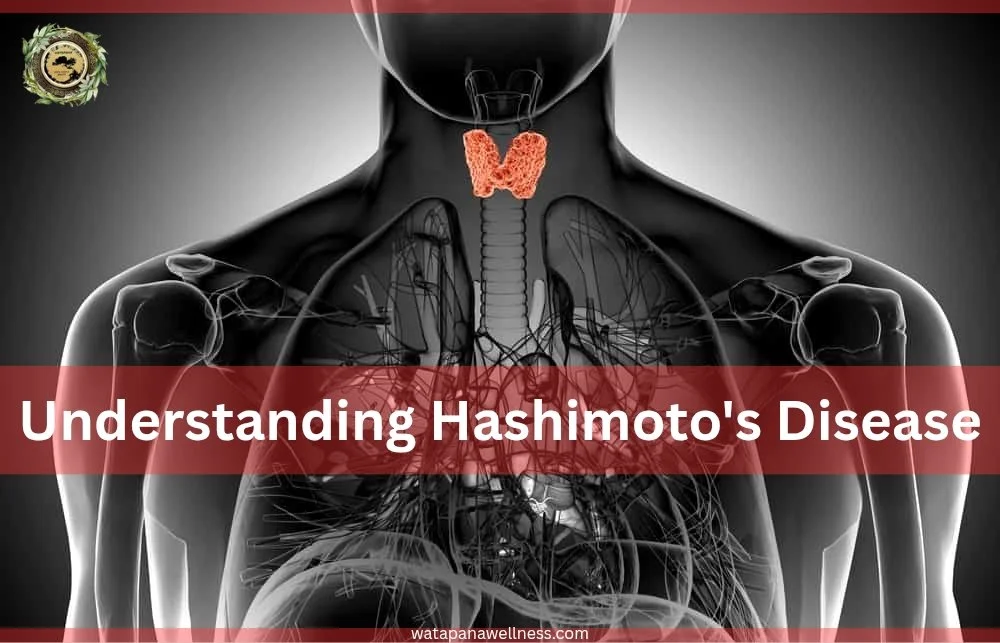
Understanding Hashimoto's Disease
Hashimoto's disease is an autoimmune disorder where the immune system attacks the thyroid gland, causing hypothyroidism, or an underactive thyroid. Located at the base of the neck, the thyroid plays a key role in metabolism. When inflamed, it can't produce hormones effectively, leading to symptoms like fatigue, weight gain, and depression.
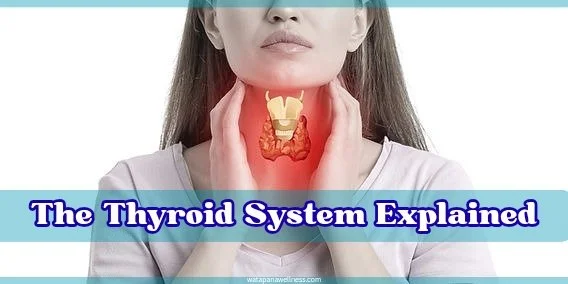
The Thyroid System
The thyroid gland is a crucial part of the endocrine system, responsible for producing hormones such as thyroxine (T4) and triiodothyronine (T3). These hormones regulate metabolic processes, heart rate, body temperature, and even impact mood. Proper thyroid function depends on sufficient levels of iodine and other nutrients, which help synthesize hormones. Dysfunction can lead to a cascade of health issues, underscoring the importance of understanding and maintaining thyroid health.
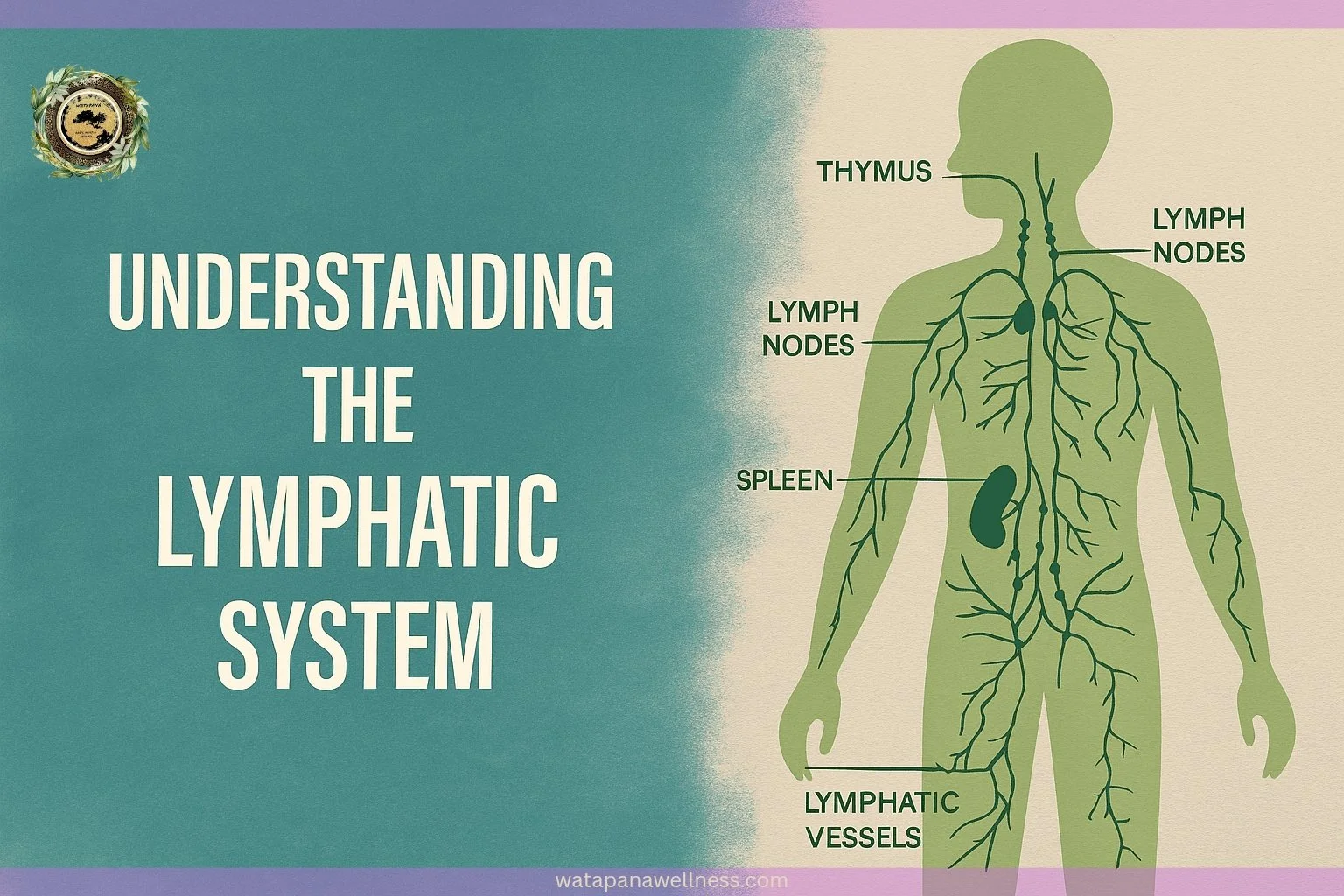
The Lymphatic System
The lymphatic system comprises a network of vessels, nodes, and organs that manage fluid levels in the body and facilitate immune function. It transports lymph, a fluid full of infection-fighting white blood cells, helping remove waste and toxins. Also, it absorbs fatty acids and aids in fat transport, essential in nutrient distribution. Any blockages or dysfunction can hinder immune response and toxin clearance, highlighting its importance.
●●Importance of the Lymphatic System
Beyond fluid balance and immune defense, the lymphatic system assists in detoxifying the body. By clearing out cellular waste, it helps maintain a clean internal environment. Without a functional lymphatic system, infections could persist and chronic inflammation may result, which is why keeping this system healthy is crucial for overall well-being. Let's take a closer look.
●The lymphatic system plays a crucial role in maintaining immune health. Here's how it relates:
1. Transporting Lymph Fluid: The lymphatic system circulates lymph, a fluid containing white blood cells, throughout the body. These white blood cells, including lymphocytes, are essential in identifying and fighting pathogens like bacteria and viruses.
2. Lymph Nodes: These small, bean-shaped structures are scattered along the network of lymphatic vessels. They act as filters, trapping pathogens and foreign particles. When necessary, they trigger an immune response by signaling the production of more white blood cells.
3. Production of Immune Cells: Lymphoid organs, such as the spleen and thymus, are part of the lymphatic system and are involved in producing and maturing immune cells. The thymus, for example, is where T-cells mature, playing a vital role in adaptive immunity.
4. Removal of Toxins and Waste: The lymphatic system helps remove waste products and toxins from tissues, helping the immune system maintain a clean internal environment conducive to effective immune function.
5. Antigen Presentation: The lymphatic system is involved in presenting antigens to the immune system, which helps the body recognize and respond to potential threats more effectively.
Overall, a well-functioning lymphatic system is crucial for a robust immune defense, ensuring pathogens are quickly identified, contained, and eliminated.

Real Food and its Impact
Consuming REAL, whole foods is integral for maintaining healthy lymphatic and thyroid systems. Foods rich in iodine, selenium, and zinc are vital for thyroid health, helping maintain hormone production. Antioxidants and anti-inflammatory compounds in fruits, vegetables, and whole foods support reducing cellular damage and inflammation, boosting lymphatic function and overall immune health.

Focusing on habits, nutrition, and lifestyle is particularly crucial when managing Hashimoto's disease.
1. Habits: Consistent healthy habits such as regular exercise, stress management, and good sleep hygiene can help manage symptoms of Hashimoto's. Exercise boosts mood and energy levels, while adequate sleep and stress reduction lower inflammation and help regulate the immune system.
2. Nutrition: Proper nutrition is vital for managing Hashimoto's disease because certain nutrients, such as iodine, selenium, and zinc, are essential for proper thyroid function. A diet rich in whole foods—fruits, vegetables, lean proteins, and healthy fats—can support thyroid health and help combat fatigue and weight gain.
3. Lifestyle: A balanced lifestyle that incorporates mindful activities, such as yoga or meditation, can support autoimmune thyroid health. Reducing exposure to environmental toxins is also beneficial, as these can exacerbate autoimmune responses.
●●Detriments of an Unhealthy Lifestyle with Hashimoto's Disease
1. Energy Drinks and Sugary Beverages: These can lead to energy crashes and weight gain, worsening fatigue and metabolic challenges common in Hashimoto's. They offer little nutritional value and can exacerbate symptoms.
2. Fast Food and Processed Foods: Often low in nutrients, these can contribute to inflammation and weight gain, complicating Hashimoto's management. Highly processed foods may also contain additives that can trigger autoimmune responses.
3. Vegetable Oils and Trans Fats: Diets high in these fats promote inflammation, which can worsen autoimmune flare-ups and interfere with thyroid health. Opting for anti-inflammatory fats, like those from fish and olives, is beneficial.
4. Drugs and Unnecessary Medication: Some medications can interfere with thyroid function. It's essential to consult healthcare providers to ensure that any medications taken do not adversely affect thyroid management.
5. Candy and High Sugar Intake: High sugar diets can increase inflammation and lead to weight gain, complicating Hashimoto’s symptoms management. They can also affect blood sugar balance, contributing to fatigue.
Focusing on a wholesome, balanced lifestyle can greatly improve the management of Hashimoto's disease. By making informed choices regarding diet and habits, individuals can better regulate their symptoms and enhance overall well-being.

TAKING HASHIMOTO SERIOUS IN REGARDS TO LIFESTYLE AND HABBIT
If the lymphatic system is not functioning properly, several issues can arise:
1. Lymphedema: One of the most common problems is lymphedema, which is the swelling of tissues due to the accumulation of lymph fluid. This can occur in the arms, legs, or other parts of the body and may lead to discomfort and reduced mobility.
2. Compromised Immune Function: An inefficient lymphatic system can impair the body's ability to fight infections. Since it's responsible for transporting white blood cells and filtering out pathogens, a malfunction can result in more frequent and severe infections.
3. Increased Risk of Infections: Without proper waste removal and immune cell transport, toxins and pathogens can accumulate, making the body more susceptible to infections.
4. Chronic Inflammation: Inadequate lymphatic drainage may lead to persistent inflammation, as toxins and waste products remain in the tissues longer than they should.
5. Delayed Wound Healing: Proper lymphatic function aids in repairing tissues. Impairments can slow down the healing process for injuries.
6. Potential for Lymphatic Diseases: Various diseases can arise, such as lymphadenopathy (swollen lymph nodes), lymphangitis (inflammation of lymphatic vessels), or lymphomas (cancers of the lymphatic system).
Maintaining a healthy lymphatic system is important to prevent these complications and promote overall health and resilience.
●●Dangers of Toxins and Carcinogens
Continuous exposure to toxins and carcinogens, often found in processed foods and pollutants, can have severe long-term effects. These substances can disrupt endocrine function, weaken immune responses, and heighten cancer risk. Thus, minimizing contact with harmful chemicals and adopting a diet free from processed products is vital for long-term health.
●The lymphatic system can be affected by various diseases. Some common ones include:
1. Lymphedema: This condition involves swelling due to improper drainage of lymph fluid, often occurring in the arms or legs. It's typically caused by damage or removal of lymph nodes, often from surgery or radiation treatment for cancer.
2. Lymphadenopathy: This refers to swollen lymph nodes, which can occur due to infections, inflammation, or more serious conditions like cancer.
3. Lymphangitis: This is the inflammation of the lymphatic vessels, often due to a bacterial infection. It can cause redness, pain, and swelling along the vessels.
4. Lymphoma: A type of cancer that begins in the lymphatic system, lymphoma includes Hodgkin lymphoma and non-Hodgkin lymphoma. It involves the uncontrolled growth of lymphocytes, a type of white blood cell.
5. Castleman Disease: A rare disorder involving an overgrowth of cells in the body’s lymph nodes, similar to cancer, but it isn't classified as one. It can lead to fatigue, fever, and an increased risk of infections.
6. Primary Lymphatic Dysplasias: These are a group of inherited conditions that affect lymphatic development, leading to impaired function and symptoms like swelling, pain, and recurrent infections.
Understanding these conditions can assist in early detection and management, helping to maintain a functional lymphatic system.

Natural Cleansing Techniques
To cleanse the lymphatic and thyroid systems naturally, consider lifestyle changes that encourage detoxification and balance. Regular physical activity, adequate hydration, and a diet rich in natural, anti-inflammatory foods are key. Practices like dry brushing and lymphatic massages can improve lymphatic circulation. For thyroid health, incorporating iodine-rich foods and reducing exposure to environmental toxins supports optimal function.
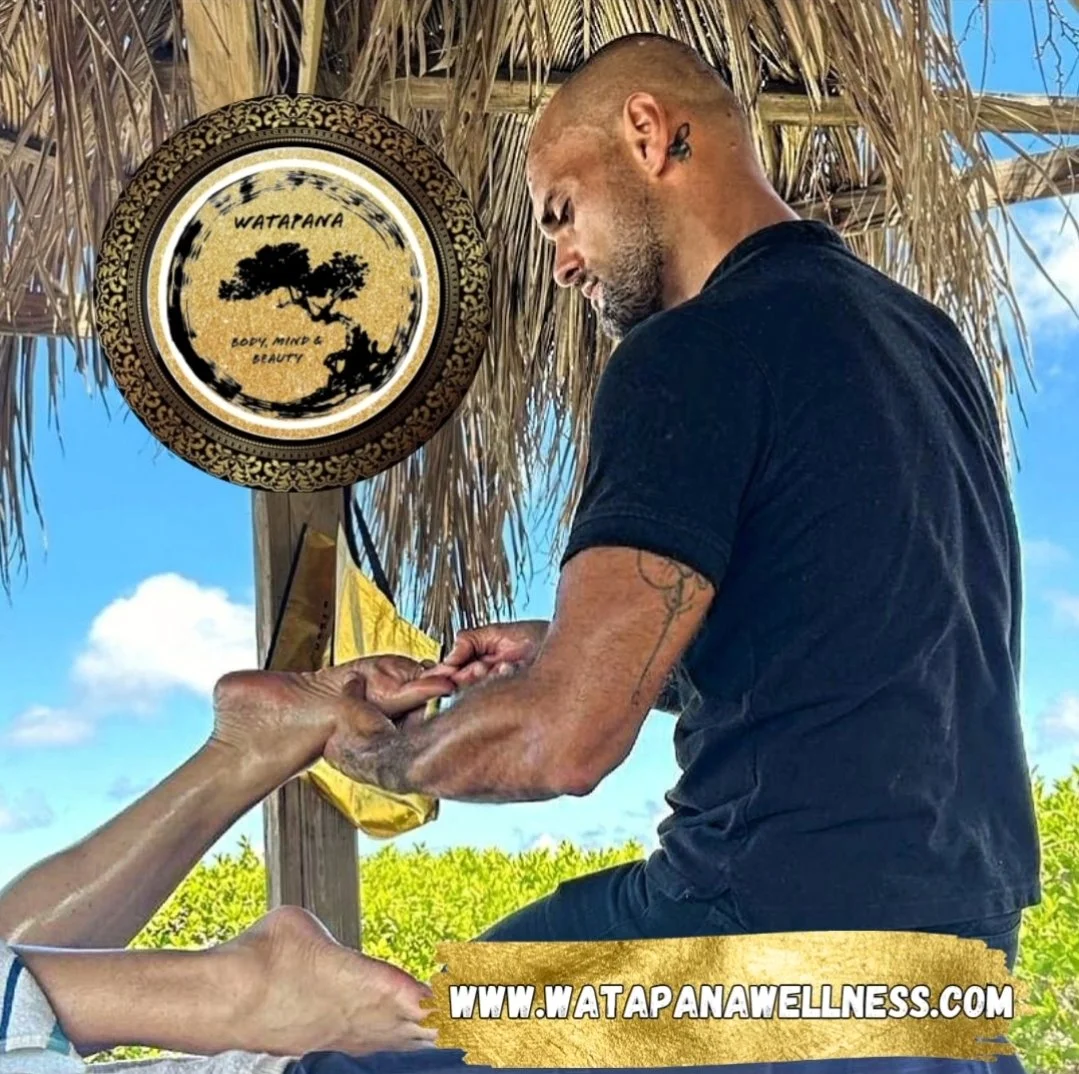
Watapana Wellness Approach
Watapana Wellness offers a holistic approach to health, focused on wellness, mindfulness, personal training, and nutrition. By providing customized plans, Watapana Wellness aims to improve physical and mental well-being through stress management, enhanced physical fitness, and balanced nutrition. Their comprehensive support helps cultivate lasting lifestyle changes, promoting overall health improvement.

Conclusion
Hashimoto's disease stresses the importance of healthy thyroid and lymphatic systems. Through informed lifestyle choices, including wholesome diets and toxin avoidance, we can bolster the body's natural defenses. Incorporating practices from wellness centers like Watapana can enhance these efforts, reinforcing the idea that wise lifestyle decisions pave the way for better health and vitality.