
The Phenomenon of Toxic Positivity: Distorting Reality and Its Impact on Well-Being
In today’s culture, the pursuit of happiness and optimism is often celebrated as a key to success and fulfillment. However, an excessive and inauthentic emphasis on positivity—known as "toxic positivity"—can have detrimental effects on individuals and society alike. This phenomenon encourages people to deny or suppress negative emotions and realities, creating a distorted view of life that can harm emotional, mental, and physiological health, as well as societal functioning.
Distorting Reality: How Toxic Positivity Masks the Truth
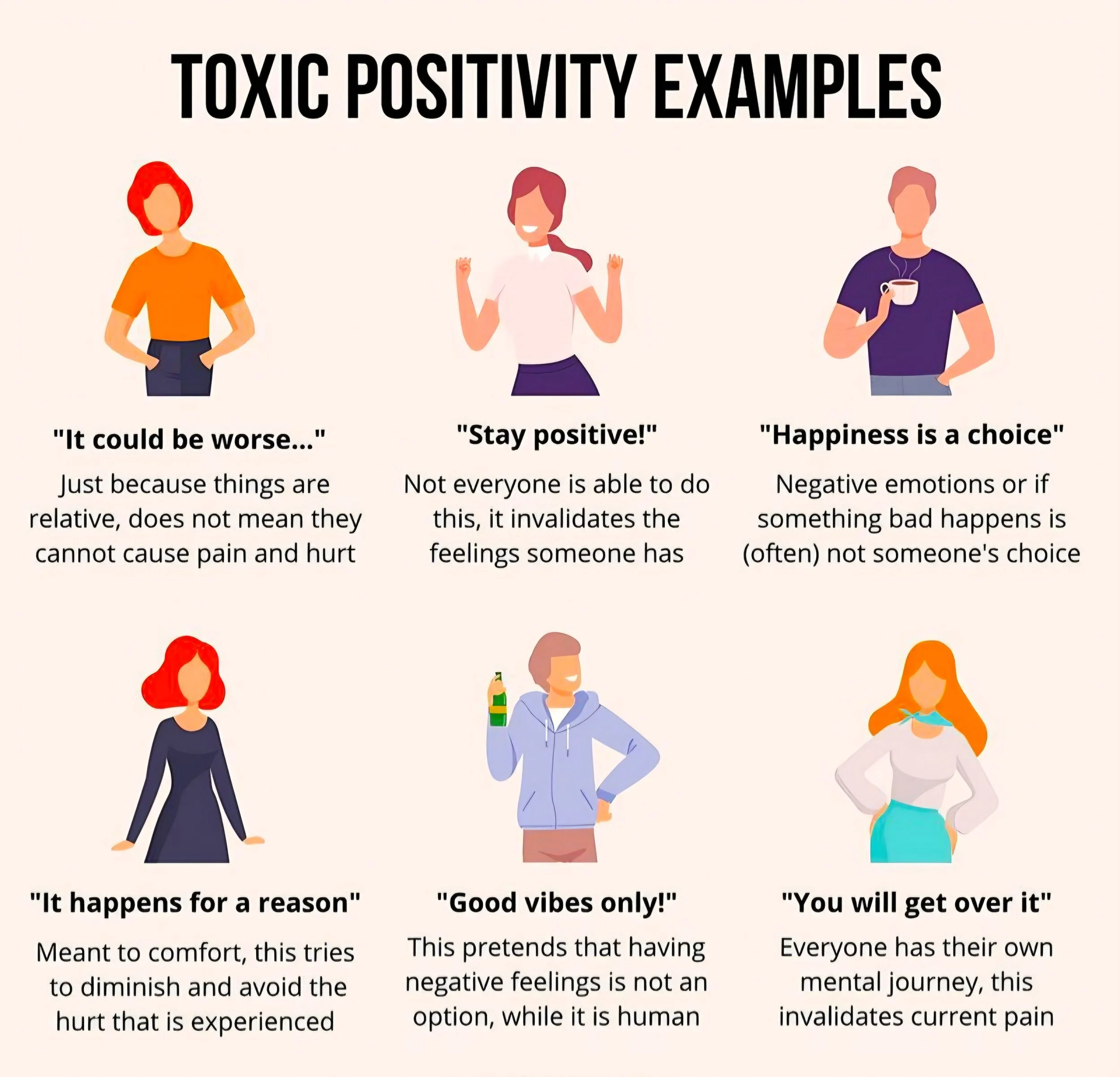
Toxic positivity fosters an unrealistic outlook by insisting that one should always look on the bright side, regardless of the circumstances. This mindset discourages honest acknowledgment of difficulties and struggles, leading individuals to live in denial of their genuine feelings or life challenges. Such a distortion of reality prevents people from confronting problems effectively, fostering a false sense of control or happiness. Over time, this disconnect from reality can cause individuals to feel isolated, confused, or disillusioned when their efforts to maintain positivity do not align with their actual experiences, ultimately undermining genuine resilience and problem-solving abilities.
The Suppression of Emotions and Its Effect on Emotional Well-Being
By urging individuals to dismiss or ignore negative emotions, toxic positivity hampers emotional awareness and regulation. Suppressing feelings like sadness, anger, or fear prevents authentic emotional processing, which is essential for emotional growth and resilience. This repression can lead to emotional numbness, increased internal tension, and a sense of disconnection from oneself. Without acknowledging authentic feelings, individuals may experience heightened stress and frustration, which can accumulate over time, diminishing overall emotional well-being and making it harder to cope with adversity.

Sociopsychological Consequences: Impact on Society and Interpersonal Relationships
On a broader scale, toxic positivity influences societal norms and interpersonal dynamics. It promotes superficial interactions where genuine vulnerability is discouraged, fostering a culture of emotional mask-wearing. This can inhibit meaningful communication, empathy, and social support, as individuals may fear being judged or dismissed for expressing negative emotions. Consequently, communities may become less resilient, as collective capacity to navigate hardship diminishes when people are discouraged from sharing authentic struggles. Furthermore, this societal pressure to appear constantly positive can lead to stigmatization of mental health issues, discouraging individuals from seeking help and perpetuating cycles of silence and suffering.
Mental Health Deterioration: Anxiety, Depression, and Reduced Self-Compassion
When toxic positivity dismisses the reality of mental health struggles, it can intensify feelings of shame and guilt in those who are suffering. People may feel compelled to hide their true emotions, leading to increased anxiety and depression. This emotional invalidation reduces self-compassion, making it more difficult to accept oneself during difficult times. Over time, these effects can inhibit recovery, deepen mental health issues, and create barriers to seeking professional help, thereby perpetuating cycles of mental distress.
Physiological Toll: Chronic Stress and Physical Health Risks
The emotional repression fostered by toxic positivity also triggers physiological responses. Chronic emotional suppression activates the body's stress response, elevating cortisol levels and other stress hormones. Persistent stress contributes to a range of health problems, including weakened immune function, hypertension, sleep disturbances, and increased risk of cardiovascular disease. Over time, the physiological consequences of living in denial and emotional suppression can significantly impair overall health and diminish quality of life.

The Transformative Power of Mindfulness: Cultivating Self-Awareness, Resilience, and Compassion
Through the practice of mindfulness, individuals can cultivate a deeper understanding of themselves and reality, thereby gaining a more nuanced perspective on life. By focusing on the present moment and observing their thoughts, emotions, and physical sensations without judgment, mindfulness helps individuals centre and ground themselves in the midst of chaos. This increased self-awareness allows for a more authentic expression of emotions, rather than suppressing or denying them, as is often encouraged by toxic positivity. By acknowledging and accepting their experiences, individuals can develop a more realistic and compassionate view of themselves and the world, rather than striving for an unattainable state of constant happiness. As a result, mindfulness practice can help individuals develop a more adaptive and resilient mindset, one that is better equipped to navigate life's challenges with clarity, kindness, and honesty.
Conclusion: Embracing Authenticity for True Well-Being
While fostering a positive mindset is beneficial, it is crucial to maintain authenticity by acknowledging and accepting all emotions and realities. Recognizing that negative feelings are a natural and necessary part of human experience fosters resilience, promotes mental health, and supports physical well-being. Moving away from toxic positivity involves embracing honesty and vulnerability, which strengthens societal bonds and enhances collective resilience. Ultimately, genuine well-being arises from accepting life’s full spectrum—both joys and struggles—and confronting reality with honesty and compassion.