

Obesity: The Cross-Section Examination
In today's fast-paced world, maintaining good health can often feel overwhelming, especially with the rising prevalence of obesity and related health issues. Many individuals struggle to find effective, sustainable solutions that address their unique needs. That’s where Watapana Wellness comes in.
Dedicated to empowering individuals on their journey to optimal health, Watapana Wellness not only offers FREE SCIENCE BACKED INFORMATION, but also offers personalized programs designed to support weight management, reduce inflammation, and promote overall well-being.
By combining expert guidance with compassionate care, we help you take meaningful steps toward a healthier, more vibrant life.
Now, let’s start dissecting!
Let's explore the image shown above of the two cross-sections further for a better understanding of Obesity and why it is extremely harmful to your health:
The image shows two bodily cross-sections showcasing the brain and a fat tissue, likely from a healthy person (left) and an obese person (right).
Ive laid out a detailed, layman-friendly explanation of the differences and why obesity and related inflammation are so harmful:
Brain Cross-Section:
- Healthy Person (left): The brain tissue appears more uniform, with clearer, well-defined structures. This suggests good blood flow, oxygen delivery, and healthy nerve function.
-Obese Person (right): The brain tissue looks more irregular and possibly swollen or inflamed, with less defined structures. This might indicate inflammation, reduced blood flow, and even damage.
Fat Tissue Cross-Section:
- Healthy Person (left): The fat tissue appears less dense, more organized, with fewer large fat deposits.
- Obese Person (right): The fat tissue is thicker, more irregular, and denser, indicating excess fat accumulation.
Why this matters for overall health:
1. Inflammation: Excess fat, especially around the abdomen, produces inflammatory substances. Chronic inflammation is like a constant low-grade fire in your body, damaging tissues, including your brain and organs.
2. Brain Health: Inflammation can lead to problems like memory issues, mental fog, and increased risk of neurodegenerative diseases (like Alzheimer's). Reduced blood flow and inflammation damage brain cells over time.
3. Overall Body Damage: Excess fat, especially visceral fat (around organs), contributes to insulin resistance, diabetes, heart disease, and high blood pressure. It also stresses your joints and other organs.
4. Inflammation and Disease: The inflamed fat tissue releases chemicals that worsen inflammation elsewhere, like in your arteries, leading to clogged arteries, heart attacks, or strokes.
In summary:
- The differences seen in the images reflect how excess fat and inflammation damage your body's tissues.
- Maintaining a healthy weight, eating nutritious foods, and staying active help reduce inflammation, protect your brain, and improve overall health.
- The image underscores the importance of taking care of your body to prevent long-term damage caused by obesity and inflammation.
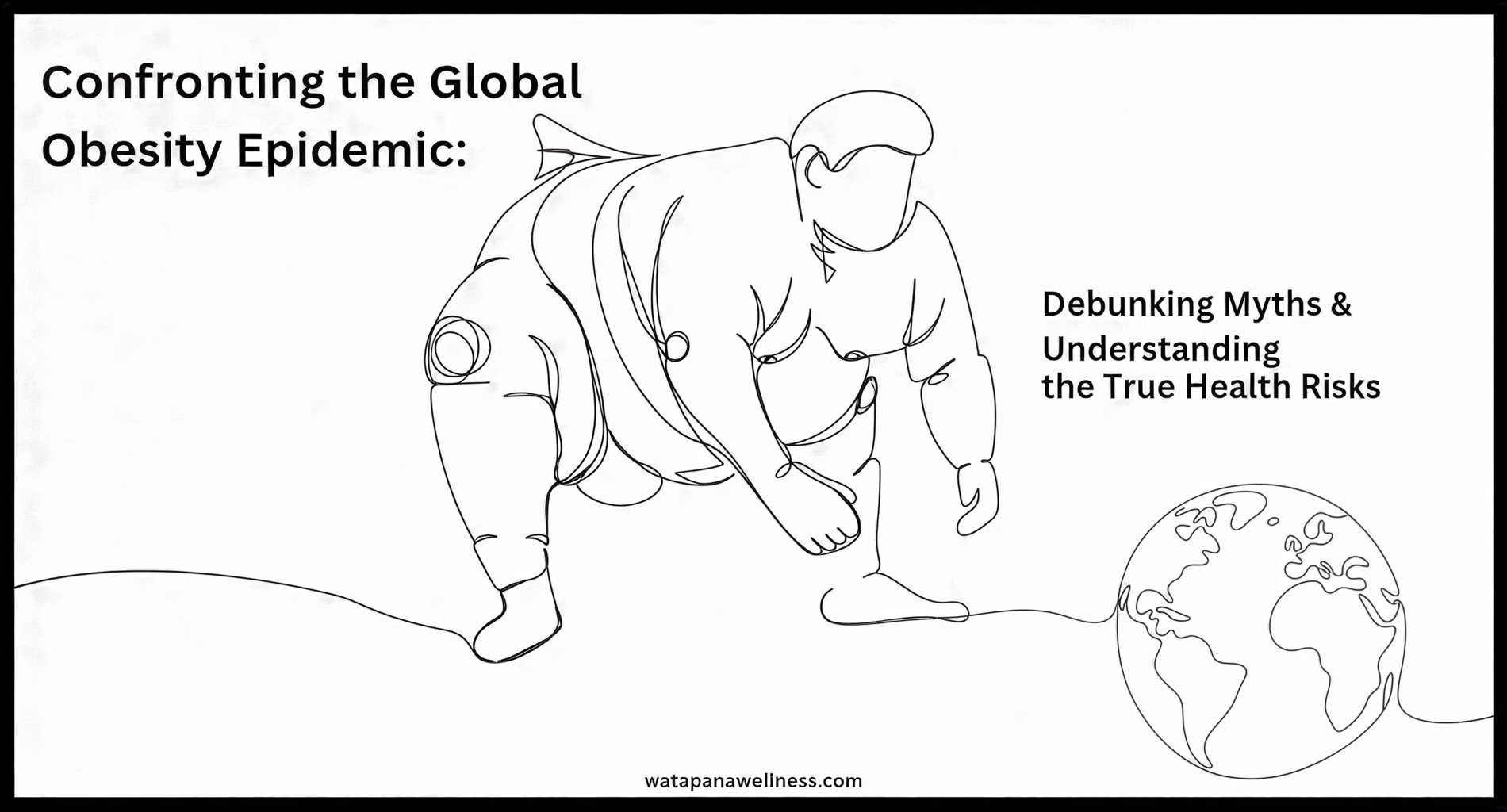
Confronting the Global Obesity Epidemic: Debunking Myths and Understanding the True Health Risks
Worldwide, overweight and obesity have become the fastest-growing causes of illness and death, posing a significant public health challenge across all regions.
Recognized as a chronic metabolic disorder, obesity is associated with increased risks of cardiovascular disease, diabetes, and premature mortality. Despite the clear health hazards linked to excess weight, recent years have seen an influx of conflicting and sometimes misleading reports claiming the existence of “healthy obesity,” “benign obesity,” and the so-called “obesity paradox.” These narratives, unfortunately, tend to diminish the severity of this alarming global epidemic and can sow confusion about the true health risks of obesity.
As someone from and currently residing in Aruba, I can attest to the local impact of this issue. According to the STEPS 2023 survey, 78% of the Aruban population is overweight, with approximately 48% classified as obese. The study also indicates that 38% of the population is at risk for a chronic disease, with 24% suffering from high blood pressure, including 9% of young people aged 18-29 This leaves only about 12% of the population considered to be within a (debatable) healthy weight range.
These figures highlight the urgent need to address obesity not just locally but on a global scale. To better understand the implications of these claims and the reality of obesity’s impact on health, it is crucial to explore the origins of these misleading notions and examine the scientific evidence that emphasizes the real risks associated with excess weight.
There's No Such Thing as “Healthy Obesity” - PMC - NIH
Here's a more detailed recapitulated explanation, explained to you in layman’s terms, about the differences seen in the images and why they are bad for overall health and inflammation:
Brain Differences:
Healthy Brain (Left):
- The brain tissue looks uniform and well-defined.
- Blood vessels and nerve pathways are clear and healthy.
- This indicates good blood flow, oxygen supply, and minimal inflammation.
- The brain functions properly—thoughts, memory, coordination, mood—all work smoothly.
Obese Brain (Right):
- The tissue appears swollen, irregular, and less defined.
- There may be signs of inflammation and damage.
- Blood flow might be reduced or impaired.
- These changes can lead to problems like memory loss, difficulty concentrating, mood swings, and higher risk of neurological diseases such as Alzheimer’s.
Fat Tissue Differences:
Healthy Fat (Left):
- The fat tissue is less dense, with smaller, organized fat cells.
- It’s enough to store energy but not excessive.
- It doesn’t produce many harmful substances.
Obese Fat (Right):
- The fat tissue is much thicker, denser, and irregular.
- The fat cells are larger and more numerous.
- Excess fat, especially around the belly, produces chemicals called cytokines and adipokines, which promote inflammation.
Why These Differences Are Bad for Your Overall Health:
1. Chronic Inflammation:
- Excess fat tissue acts like a source of ongoing inflammation.
- Normally, your immune system fights infections, but in obesity, the fat tissue sends out inflammatory signals constantly.
- This leads to a state called “low-grade chronic inflammation,” which harms your tissues, including your brain, heart, and joints.
2. Brain Health and Cognitive Function:
- Inflammation affects your brain by damaging neurons (brain cells).
- It can cause problems with thinking, memory, and mood.
- Over time, inflammation increases the risk of neurodegenerative diseases like Alzheimer’s and Parkinson’s.
3. Heart and Circulatory System:
- Inflammation makes your blood vessels sticky and narrow.
- This increases the risk of plaque buildup, leading to clogged arteries, heart attacks, and strokes.
- Obesity also raises blood pressure and cholesterol levels, compounding the risk.
4. Insulin Resistance and Diabetes:
- Excess fat, especially around organs (visceral fat), releases chemicals that interfere with insulin, the hormone that regulates blood sugar.
- This can lead to insulin resistance, which is the main cause of type 2 diabetes.
5. Joint and Mobility Problems:
- Carrying extra weight puts stress on your joints, leading to pain and conditions like osteoarthritis.
- Inflammation also worsens joint damage.
6. Overall Systemic Damage:
- The chemicals released by inflamed fat tissue can affect your liver, kidneys, and other organs.
- This can cause fatty liver disease, kidney problems, and other health issues.
Summary:
The image illustrates how excess fat and inflammation physically alter your body’s tissues, especially in the brain and fat tissue itself.
These changes aren’t just about appearance—they directly impact your health by causing inflammation, damaging tissues, and increasing the risk of serious diseases like heart disease, diabetes, and neurodegenerative disorders.
Key takeaway:
Keeping your weight healthy, eating nutritious foods, exercising regularly, and managing inflammation are crucial steps to protect your overall health and prevent these damaging changes.

Achieving Better Health when suffering from Obesity: The Path to Better Health with Watapana Wellness
What Watapana Wellness can mean for you in managing Obesity.
At Watapana Wellness, we are dedicated to supporting you on your journey to better health and wellness. Our personalized programs focus on not only weight management but also on reducing inflammation, improving mental clarity, and enhancing overall vitality.
We understand that every individual’s journey is unique, which is why our expert team provides tailored guidance, proven strategies, and compassionate support to help you achieve sustainable results.
To learn more about how we can assist you in overcoming obesity and its associated health risks, click on the links below or visit us at watapanawellness.com/obesity
Take the first step toward a healthier, happier life—your well-being is worth it.
Remember, with the right support and commitment, positive change is within your reach.