
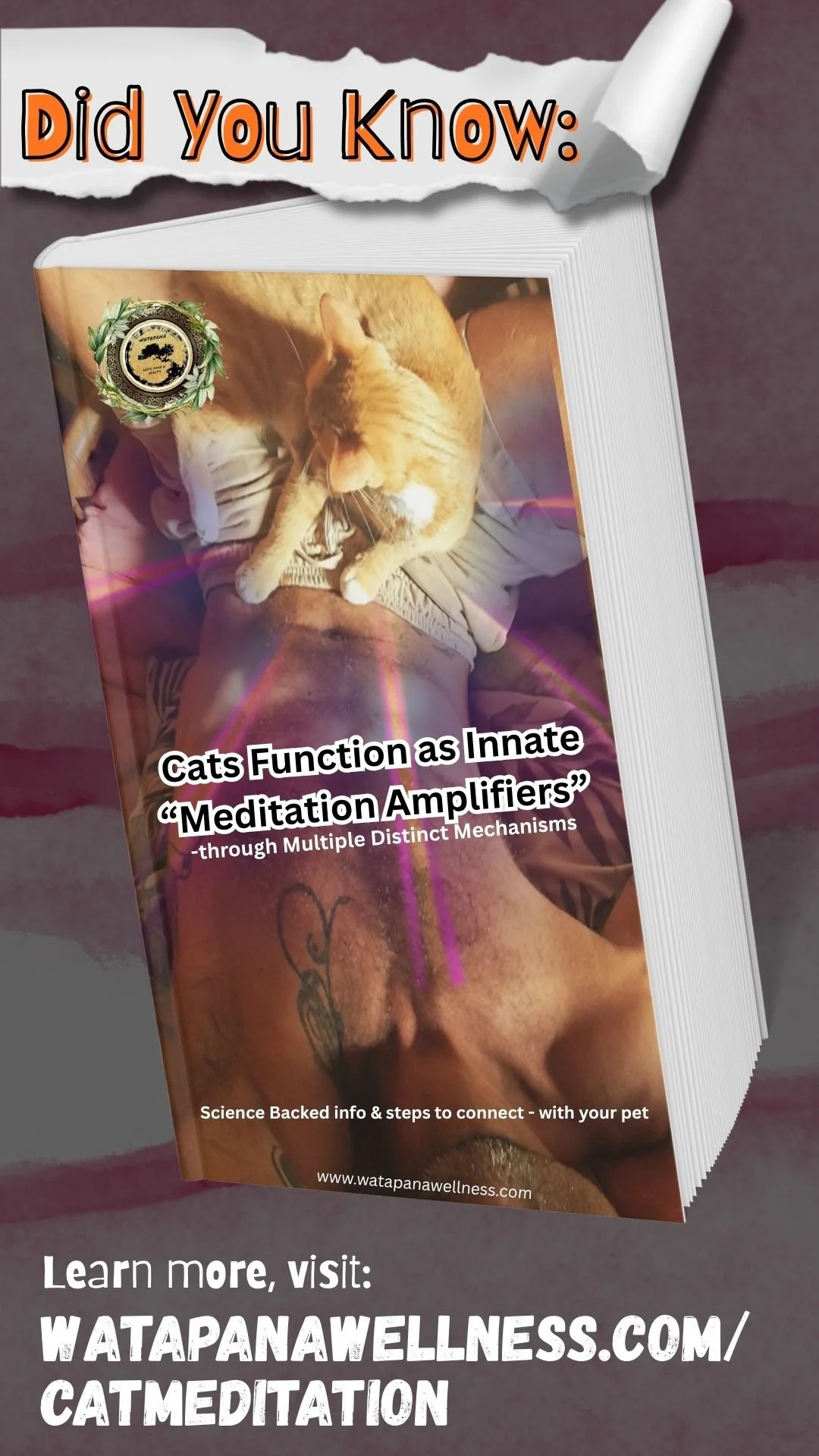
Did You Know: Cats Function as Innate “Meditation Amplifiers” through Multiple Distinct Mechanisms.
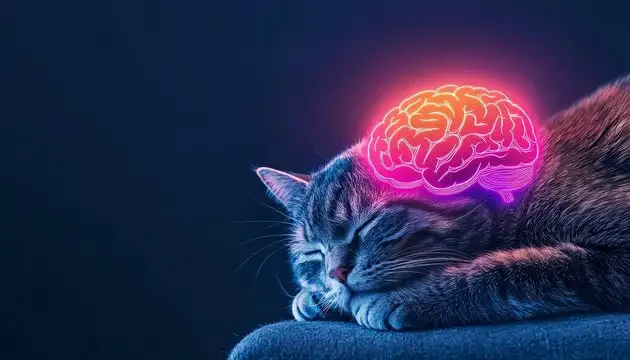
Cats are capable of significantly enhancing meditation experiences via both observable, scientifically measurable processes and subtle psychological cues.
Meditating with a cat nearby or resting on your lap can accelerate the transition of your nervous system into a state of profound calm and relaxation.
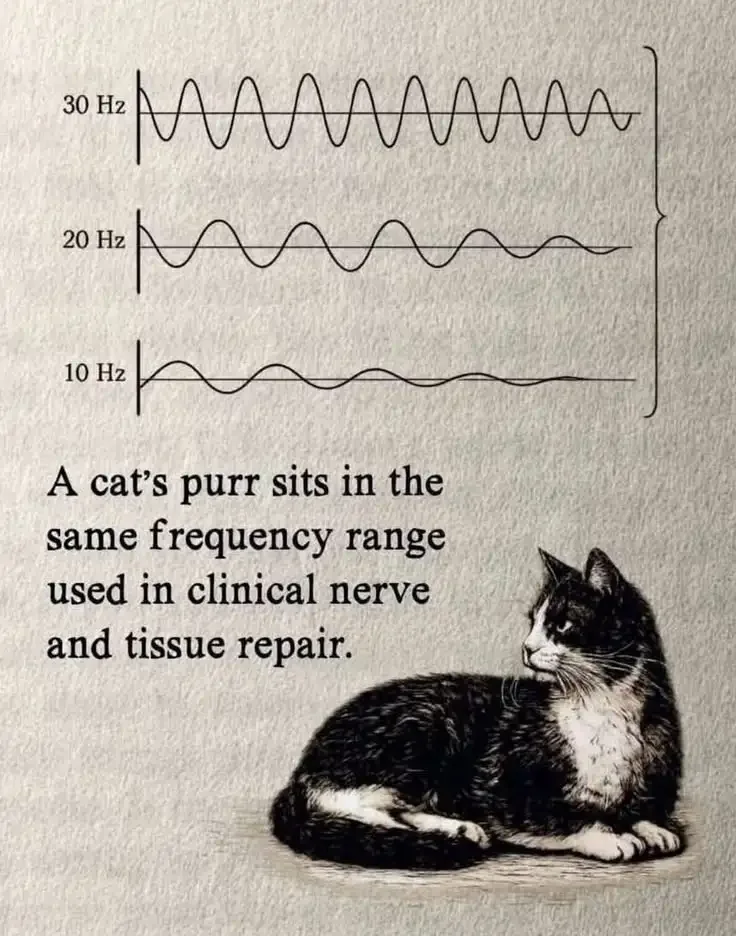
A cat’s purr is more than just a sign of contentment; it serves as a sophisticated bio-mechanical tool with therapeutic effects:
1. The Physics Behind the Purr (Sound Therapy)
- Frequency Synchronization: Cats produce purrs at a steady frequency range of approximately 25 to 150 Hz. In human therapeutic practices, sound frequencies within this same range are known to stimulate the release of endorphins and help lower blood pressure.
- Brainwave Entrainment:
Some behavioral specialists propose that the consistent hum of a cat’s purr mimics the rhythm of low-frequency brainwaves, such as theta or gamma waves. Exposure to this sound can help “entrain” your brainwaves, facilitating a smoother shift from high-stress beta states to deeper meditative states.
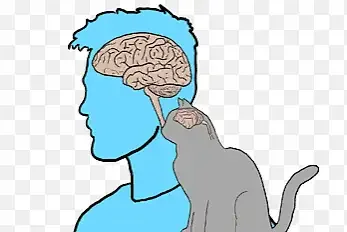
2. Biochemical Co-Regulation
Sitting quietly with a cat influences your neurochemical profile, creating an optimal biological environment for meditation:
- Cortisol Reduction: Research indicates that engaging with a cat for just 10 minutes can cause a significant drop in human cortisol levels—the primary hormone associated with stress.
- The “Love” Hormone Surge: Physical contact with a cat triggers the release of oxytocin, serotonin, and dopamine—chemicals associated with feelings of safety, bonding, and emotional stability—mirroring the intentions behind mindfulness practices.
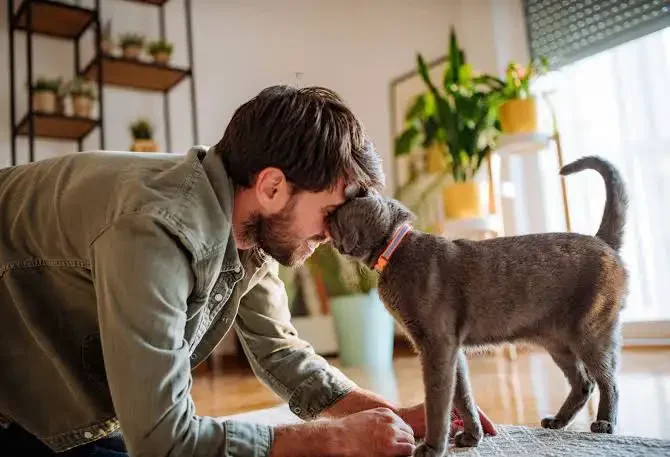
3. Anchors for Mindfulness
One of the greatest challenges in meditation is maintaining focus amid wandering thoughts. A cat can serve as an excellent “somatic anchor” to ground your attention:
- Tactile Grounding: Stroking a cat’s soft fur or observing the rhythmic movement of their breathing provides a tangible, present-moment focal point.
- Mirroring Calmness: Cats are inherently attuned to the present moment. When you slow your breathing and relax your heart rate, your feline companion often responds by curling up beside you, amplifying the tranquil atmosphere and reinforcing your meditative state.
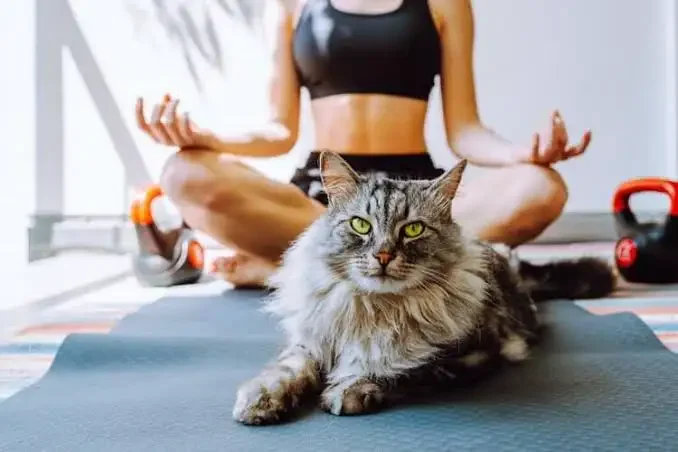
How to Co-Meditate with Your Cat
- Follow Their Cues: Avoid forcing your cat to sit with you. Instead, start your meditation in a space where your cat already feels comfortable—such as the floor or a cozy couch—allowing them to choose their own proximity.
- Use the Purr as Your Mantra: Instead of a traditional mantra, synchronize your breath with the rhythm of your cat’s purr or focus on the soothing sound as your primary meditation object.
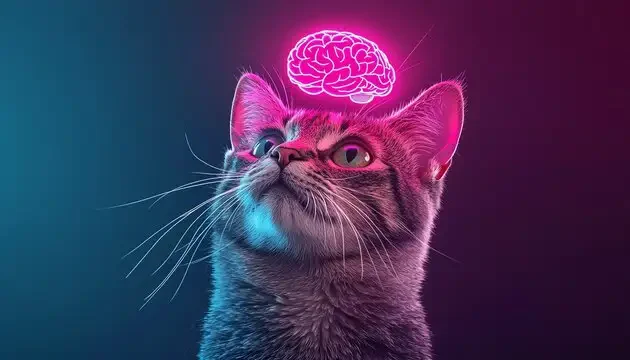
How Does This Process Work?
Part 1: The Science of Animal-Assisted Therapy & the Feline Purr
Decades of clinical research support the physiological benefits of bonding with animals. Incorporating a cat into your mindfulness practice leverages well-documented biological phenomena:
- Autonomic Nervous System (ANS) Reset: A pioneering study using VR headsets embedded with software simulating cat purr sounds found that just five minutes of exposure significantly increased heart rate variability (HRV). Elevated HRV indicates a shift from the sympathetic “fight-or-flight” response toward the parasympathetic “rest-and-digest” state.
- Endorphin Release: When a cat purrs, neural pathways stimulate the release of endorphins within their own brain. Remarkably, proximity to this sound and tactile stimulus triggers a mirror response in humans—prompting endorphin release that reduces stress hormones and alleviates physical discomfort.
- Tissue and Bone Healing: In sports medicine and orthopedics, mechanical vibration therapy is employed to speed healing. Research confirms domestic cats produce fundamental frequencies—around 25 Hz, 50 Hz, and 100 Hz—that are beneficial for tissue repair:
- 20–50 Hz: Promotes bone density, helps mend fractures, and stimulates cellular regeneration.
- 50–100 Hz: Eases muscle tension, diminishes soft tissue inflammation, and aids in tendon repair.
- 100–150 Hz: Reduces localized pain, decreases post-surgical swelling, and relaxes pulmonary airways.
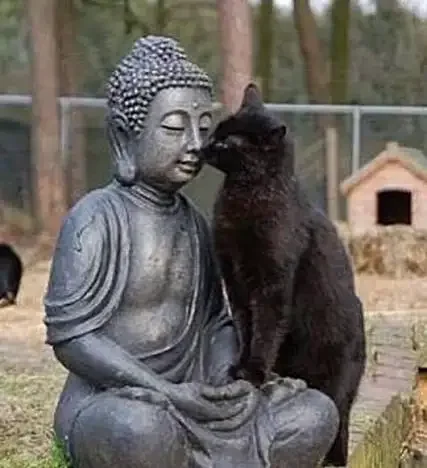
Part 2: The “Feline-Assisted” Co-Meditation Routine
Given cats’ heightened sensitivity to their environment and their aversion to forced restraint, this 10–15 minute daily routine is designed around choice, tactile connection, and biological synchronization:
Phase 1:
Creating a Calm Environment (2 Minutes)
- Sit comfortably on the floor, a low cushion, or a couch where your cat is already resting or sleeping.
- Avoid grabbing or forcing your cat into your lap. Instead, simply position yourself nearby.
- Close your eyes, relax your shoulders, and let your jaw slacken.
- Your stillness communicates safety and quietness without words.
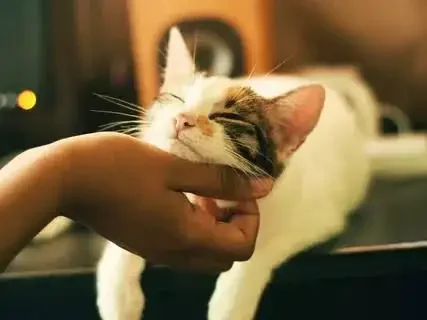
Phase 2: Somatic Grounding & Deliberate Petting (3 Minutes)
- Extend a gentle hand and softly stroke your cat’s favorite spots—like the top of the head or under the chin.
- Practice intentional petting: close your eyes and fully focus on the physical sensations—the texture of fur, warmth, and subtle movements.
- If intrusive thoughts arise, use the tactile experience as a grounding anchor to bring your awareness back to the present moment.

Phase 3: Respiratory Synchronization (5 Minutes)
- If your cat begins purring or snuggles against you, gently rest an open palm on their ribs or back.
- Close your eyes and feel their chest rise and fall.
- Match your breathing to their movement: inhale for the duration of two chest rises, exhale for two chest falls.
- If your cat purrs loudly, use the steady low-frequency sound as a living mantra. Whenever your mind drifts, gently redirect focus to the hum.
Phase 4: Gentle Transition (1 Minute)
- Gradually discontinue the breath synchronization and return to your natural breathing pattern.
- Offer a final, soft stroke of appreciation to your cat.
- Slowly open your eyes, observe your surroundings, and notice the immediate shift in your heart rate and mental clarity

Conclusion
Incorporating cats into your meditation practice harnesses their unique biological and psychological benefits, transforming them into natural facilitators of relaxation and mindfulness. Their purring acts as a powerful sound therapy, their presence influences neurochemical states, and their calm demeanor provides anchoring points for focused awareness. This harmonious interaction not only deepens your meditative experience but also fosters a profound bond rooted in centuries of cultural reverence.
Throughout history, cats have been celebrated and revered across diverse cultures worldwide. In ancient Egypt, they were considered sacred guardians of the home and symbols of protection, fertility, and divine power—often depicted in art and worshipped as deities like Bastet. Similarly, in other cultures such as Japan, cats (notably the maneki-neko) are believed to bring luck and prosperity, while in Celtic traditions, they were seen as mystical creatures with protective qualities. These longstanding cultural associations underscore the deep, universal appreciation of cats as beings capable of influencing human well-being—an appreciation that continues to resonate in their modern role as companions and mediators of tranquility.
References and Additional Resources:
1. The Science of a Cat’s Purr (https://andoveranimalhospital.biz/blog/the-science-of-a-cats-purr/)
2. YouTube Video Demonstration (https://www.youtube.com/watch?v=HEZp7bx0XBk&t=10)
Supportive Articles:
- Can a Cat’s Purring Have Healing Effects on Humans?
(https://www.thestar.com.my/news/true-or-not/2025/05/27/quickcheck-can-a-cats-purring-have-healing-effects-on-humans)
- The Purring Effect on Human Health
(https://rutherfordvet.com/cat-purring-effect-on-humans/)
- Cats as Unsung Mental Health Heroes
(https://medium.com/the-establishment/cats-are-the-unsung-heroes-of-mental-health-2a78398f9f3)
- Stress Reduction through Petting Cats
(https://www.facebook.com/PurplePAWSKS/posts/did-you-knowpetting-a-cat%EF%B8%8Freduces-stress-hormones-stroking-a-cat-decreases-the-p/1579639027536518/)